





Getting a Property Ready for Its First Guest
The first guest should be the last step of a sequence, not the start of one. In Nashville that sequence runs through Metro's permit, an inspection, insurance and neighbor notices, then tax accounts, the signs and safety items inside the unit, the listing itself and a night spent there by someone who is not a guest. This guide puts those steps in the order that avoids rework and lost weeks.
- Application
- Online through Metro ePermits since March 11, 2026
- Permit fee
- $313, plus 2.3% if paid by card (Metro Codes checklist)
- Inspection
- Fire Marshal for multifamily; licensed architect, engineer or home inspector for one- and two-family homes
- Insurance
- Liability of at least $1 million per occurrence
- Listing
- Not allowed before the permit is issued; permit number shown on every listing
- Checked
- November 12, 2026
On this page
- Confirm the unit can be permitted
- Assemble the permit file
- Neighbor notices and insurance
- The inspection
- Permit first, listing second
- Tax accounts and the business license
- What has to be inside the unit
- Setting up the listing
- Check-in and the first messages
- A test night before the first guest
- The last week before arrival
- Questions
- Sources
Confirm the unit can be permitted
Start with the question that decides all the others, whether Metro will permit this particular unit at all. An absentee owner needs a parcel zoned for that permit type. Then measure: Metro wants 100 feet or more between your lot and any lot holding a congregation's building, a school, a park or a licensed day care, playgrounds counted, and only a Council vote can waive the gap. Owner-occupied permits follow different rules tied to the owner's primary residence. Permits go unit by unit, and a fifth bedroom disqualifies the unit.
Metro also asks every applicant, with or without an association, to sign a statement that no condo declaration, deed restriction, lease or HOA rule forbids the rental. Check those documents and the zoning before spending money on furniture. Our permit guide goes through those rules; Metro Codes gives the final word on a parcel.
Assemble the permit file
Metro moved short-term rental applications online on March 11, 2026. Its instructions ask applicants to follow the steps in order, to have every document ready as a PDF because the form cannot be saved and resumed, and to submit only once. Private documents travel by email instead: residency proof when the owner lives on site, and when a company or trust holds title, the records that tie the applicant to that entity, such as its articles of organization.
The rest of the file is built in advance. Gather these first: the sworn, notarized statement that the file is true, a notarized authorization when a manager applies or operates for you, a current property tax receipt, letter-size drawings of each floor, the insurance certificate, the association statement and the local contact's details.
Neighbor notices and insurance
Metro also wants proof that the neighbors were told in writing before the application goes in. Neighbors here means the owners of lots at the front, back and both sides, and in a stacked building the units overhead and underneath as well, so a condo may need half a dozen letters. The letter goes to the neighboring owner's address, which may not be the property itself, and must either be signed by that owner or sent by certified mail with the green and white receipt filled out and scanned.
The insurance certificate has to show liability coverage that reaches seven figures for each incident. Codes will accept a platform's coverage, Airbnb's for instance, if it meets that limit, with the host profile page submitted in place of a certificate. Platform coverage follows platform stays, so ask your own insurer how a direct booking would be covered.
The inspection
Who inspects depends on the entry. When guests walk a shared corridor to get to the door, the Fire Marshal does it. Most such buildings hold three or more homes; the owner requests a date by email after Codes starts the file. A house or duplex instead needs a safety sign-off from someone with a Tennessee architect, engineer or home inspector license, and Codes holds the permit until that letter arrives.
Whoever inspects will look for UL 217 smoke detectors in bedrooms, along the escape route from them and on every level, garage and basement too. Metro's fire and building codes are now the 2024 editions, adopted by Council as BL2025-1004 and BL2025-898. Fix what the inspector notes before ordering photos, because a moved detector or a new door shows in the pictures.
Permit first, listing second
Metro is direct about the order: no online listing of any kind until the permit is in hand. Once approved, the $313 fee is paid by the emailed online link, with a 2.3% processing charge on cards, or by exact cash or check in person. From then on, every ad for the unit shows its number or a photo of it.
On Airbnb, a permit number goes in the Regulations section of the listing settings. Put it on Vrbo and on the owner's own booking site the same day. Put the expiry on the calendar the day it arrives. Twelve months after issue the permit lapses. Codes sends two reminder emails, about two months ahead and again some six weeks ahead; any grace after lapse is up to Metro and not owed to you, which is the reason to renew well before.
Tax accounts and the business license
For Tennessee stays booked through it, Airbnb's tax article names three charges it handles on the host's behalf: 7% for the state, a local sales levy, and local occupancy tax. The permit holder is still responsible for every tax due on bookings that do not go through a collecting platform, including bookings on the owner's own website. Occupancy tax returns for those direct stays are due to Metro Finance's Collections Office on the 20th, and Metro's rules put the duty to collect and pay every lodging tax on the permit holder.
The County Clerk's license tiers follow gross receipts. Under $3,000 a year needs nothing; $3,000 up to $99,999 calls for a minimal activity license; at $100,000 the owner holds a full business tax license and files returns with the state Revenue department. Either tier costs $15 outside the Urban Services District and $30 inside it, charged every year for the minimal activity license and once for the full license, per the Clerk's chart last updated March 2024. Renewing the permit means showing Codes that lodging taxes were paid, so open those accounts before any direct booking.
What has to be inside the unit
A sign with the local contact's name and phone number has to hang where guests notice it, and the phone has to be answered at any hour of a stay. The operating rules also set the guest limit by bedrooms with a hard stop at 12, allow a single booking party at a time, forbid stays of under a day, and require the lead renter to be 21 or older. Post the occupancy limit next to the contact sign so the rule and the person to call are in one place.
Airbnb's safety section wants a yes or no on smoke and CO alarms, alarms that actually work if listed, and a written warning in the description about hazards built into the place, with access to high places, a pool or a body of water as Airbnb's examples. Ticking Essentials commits the host to soap, toilet paper, made beds and a towel and pillow for every guest. Stock to the full guest count before the first arrival.
Setting up the listing
Airbnb's ground rules require the listing to match the home from check-in to checkout: the map pin and address, the type and size of the space, the photos, the amenities and any access limits. Edited photos that conceal wear or misrepresent rooms are not allowed, and rules for guests belong in the listing's own rules field. Required charges ride inside the Airbnb price, in a fee box or the rate, and are never billed outside the app.
Settle two guest rules before publishing. First, age: Metro sets 21 as the floor for the lead renter, and Airbnb permits a host to raise that as high as 25 if every booker is held to it and the description says so up front. Second, guest information. Airbnb's article 4169 applies to any booking dated November 20, 2026 or after. From then, hosts may not request a guest's phone, email, home address or ID, beyond what a law or written association rule demands, explained in the house rules. A glance at a photo ID at the door stays permitted if disclosed in advance in the house rules, though no copy may be made.
Check-in and the first messages
Airbnb expects hosts to give guests ready access at check-in and through the stay, with correct directions and a working code. It also sets reply times: within three days for messages more than five days before arrival, within 12 hours during the stay or the five days before it, and within an hour for urgent issues near check-in, each during local daytime hours. On Vrbo, a booking request expires if the host does not answer within 24 hours.
Write the arrival message, the house manual and the checkout note before the listing goes live, and send them through the platform's messaging. Cover the street address with the unit number, where to park, how the lock works, the network password, pickup days, the local contact and the emergency page.
A test night before the first guest
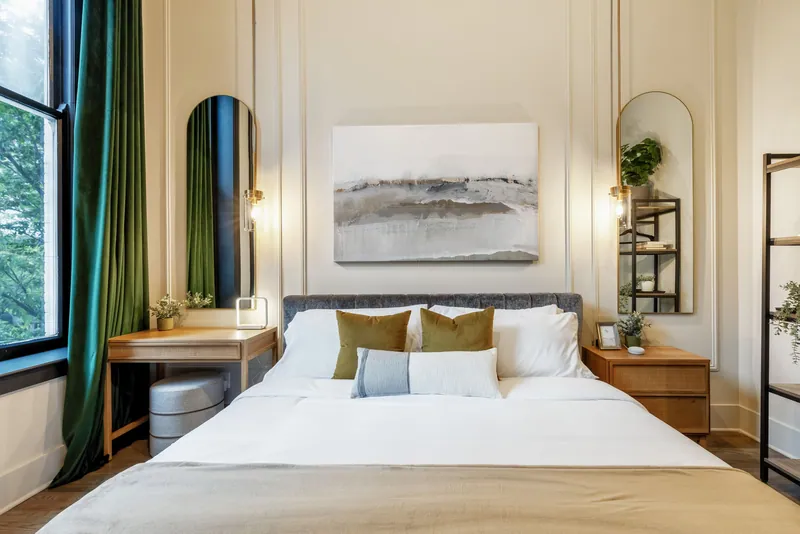
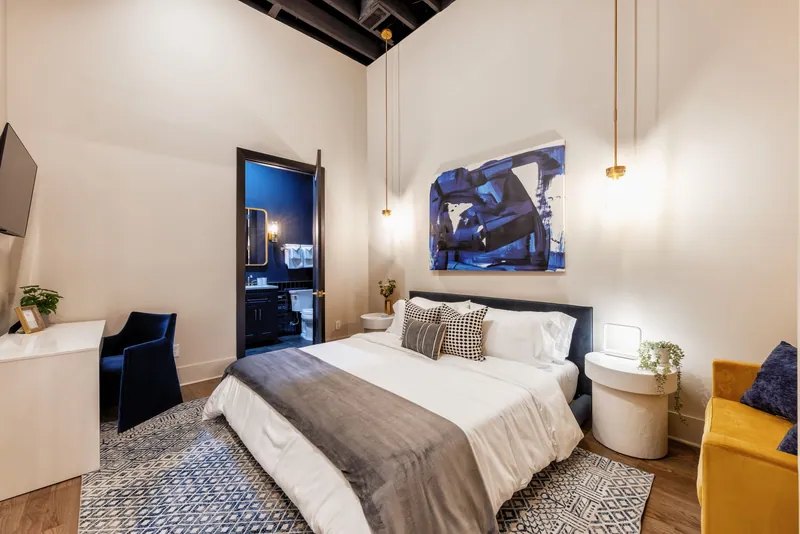
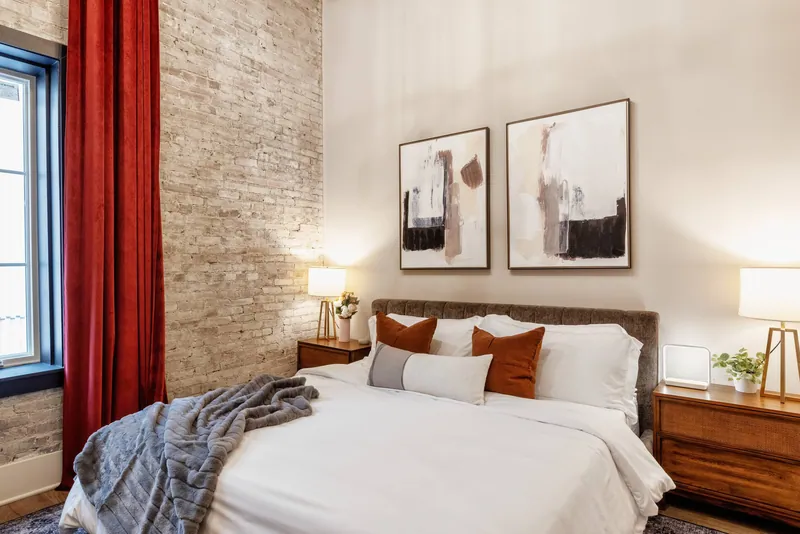
Have someone who did not set up the unit stay one night, arriving with only the guest messages. They should find the building, open the lock, make coffee, shower, sleep, use the Wi-Fi, take out trash and check out on time. Every question they ask is a gap in the instructions, and every missing item belongs on the restock list.
Then run the turnover once with the cleaning checklist and time it. That number sets the cleaning fee, the gap needed between checkout and check-in, and the staffing for busy weekends.
The last week before arrival
When every line is checked, open the calendar.
- Permit issued, number on every listing, renewal date on the calendar
- Insurance certificate on file, with the permit's liability limit
- Sales and occupancy tax accounts open for any direct bookings
- Responsible party and backup briefed, contact and occupancy limit posted
- Smoke and carbon monoxide alarms tested, extinguisher in the kitchen
- Essentials stocked to full guest count, spare linens on site
- Lock code set for the stay and tested, arrival message scheduled
- Test night done and the instructions revised
Questions
Can I list my unit while the permit application is pending?
No. Metro's instructions forbid advertising the unit online before the permit is issued. Build the listing as a draft and publish it, with the permit number, once the permit is issued.
Which inspection does my unit need before Metro issues the permit?
The Fire Marshal's Office handles any unit whose door opens off a shared hall or walkway. Houses and duplexes instead need a signed certification from a state-licensed design or inspection professional.
Does Airbnb's insurance satisfy Metro's requirement?
Codes allows a platform policy that meets the limit, proven with the host profile page. Platform coverage applies to platform bookings, so many owners also carry their own policy. Ask your insurer and Codes before relying on it.
Do I need a business license for one rental?
It depends on gross income. Below $3,000 a year the Clerk requires nothing, a minimal activity license covers the range up to $99,999, and $100,000 or more means a full business tax license.
May I request ID from guests who booked on Airbnb?
No, for any Airbnb reservation made on or after that November 20, 2026 date. Airbnb's article 4169 stops hosts from seeking identity documents or other personal details at any stage, except narrow cases a law or written association rule requires and the house rules explain. For platform bookings, work inside Airbnb's own messaging and booking tools.
Sources
- Metro Codes, Apply for Short Term Rental Property Permit (updated Oct. 1, 2026; Wayback copy Nov. 5, 2026)
- Metro Codes, Not-Owner Occupied Permit Application Checklist (Wayback copy Nov. 5, 2026)
- Metro Codes, Short Term Rental Property Operation Rules and Requirements (Wayback copy Feb. 12, 2026)
- Metro Codes, Renew Short Term Rental Property Permit (updated March 11, 2026; Wayback copy Oct. 12, 2026)
- Metro Code Chapter 6.28, Short term rental property permit (Municode, version of June 23, 2026)
- Nashville Fire Department, Short Term Rental Inspection Information and Requirements (Wayback copy Oct. 22, 2026)
- Metro Council, BL2025-1004, adopting the 2024 International Fire Code (Legistar)
- Metro Council, BL2025-898, adopting the 2024 building and residential codes (Legistar)
- Metro Finance, Pay Short Term Rental Property Occupancy Tax (updated Jan. 5, 2026; Wayback copy Oct. 22, 2026)
- Davidson County Clerk, Short-Term Rental Property Business License (updated March 21, 2024; Wayback copy Oct. 22, 2026)
- Airbnb Help Center, Occupancy tax collection and remittance in Tennessee (article 2330), opened Nov. 12, 2026
- Airbnb Help Center, Adding a permit or registration number (article 3953), opened Nov. 12, 2026
- Airbnb Help Center, Ground rules for home hosts (article 2895), opened Nov. 12, 2026
- Airbnb Help Center, Safety disclosures (article 2904), opened Nov. 12, 2026
- Airbnb Help Center, Providing essential amenities (article 2343), opened Nov. 12, 2026
- Airbnb Help Center, Pricing and payment transparency (article 2799), opened Nov. 12, 2026
- Airbnb Help Center, Age minimums for homes in the United States (article 3930), opened Nov. 12, 2026
- Airbnb Help Center, Limiting host-imposed contracts and other requirements (article 4169), opened Nov. 12, 2026
- Vrbo Help, About pending reservation requests, opened Nov. 12, 2026
Checked November 12, 2026.
To keep this page, print it or choose Save as PDF in your browser's print window. The printout keeps the sources and the date.
More owner guides
All 41Google Hotel Listings for Vacation Rentals
Owners often lump three different Google products together: Business Profiles on Maps, the vacation rental results inside Google's hotel search, and ordinary search results for their own website.
Guest Screening and Verification
Screening a short-term rental guest is mostly about setting the right rules before anyone books and letting the platform verify identity, not about collecting documents.
Handling Guest Complaints
Guest complaints in a Nashville rental tend to fall into a few groups, such as access, cleanliness, something broken and noise, and many of them can be fixed while the guest is still there.