










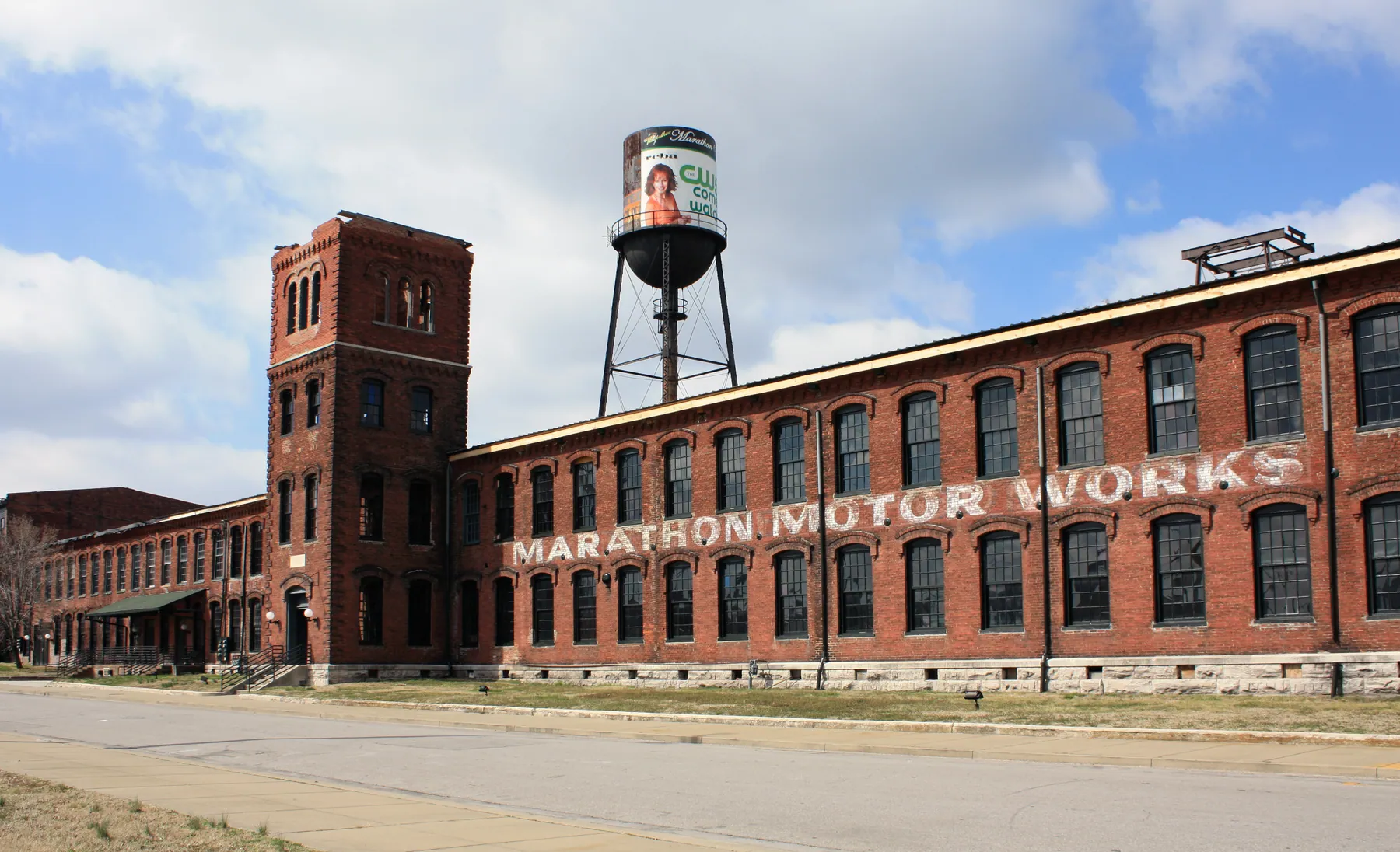
Marathon Village
Marathon Village is a group of 1881-to-1912 factory buildings on Clinton Street, near downtown Nashville, now used for offices, shops, a museum and a concert venue. Around it, new apartment and apartment-hotel buildings have been announced or built since 2021. For an owner or buyer, the question here is zoning, because the old industrial blocks and the newer mixed-use blocks do not follow the same short-term rental rules.
- ZIP codes
- 37203 for the Clinton Street campus per third-party listings; 37208 also shown below (confirm each parcel on Metro's map)
- Core address block
- 1200-1310 Clinton Street (Marathon Motor Works, National Register of Historic Places, listed January 4, 1996)
- Oldest building
- 1881 cotton mill, bought by Marathon Motor Works in 1910
- Named nearby buildings
- The Chartwell at Marathon Village, Mint House Marathon Village (804 14th Ave N)
- Zoning to know
- Check each parcel: STR permits for non-owner-occupied units are allowed only in listed mixed-use, office, commercial and downtown districts
- Issued STR permits (ZIP 37203)
- 1,706 (89 owner-occupied, 1,617 non-owner-occupied), retrieved 2026-10-06
- Issued STR permits (ZIP 37208)
- 726 (198 owner-occupied, 528 non-owner-occupied), retrieved 2026-10-06
- Renter share (ACS 2020-2024)
- 80.7% in ZCTA 37203; 67.0% in ZCTA 37208
- Median gross rent (ACS 2020-2024)
- $2,004 in ZCTA 37203; $1,558 in ZCTA 37208
- Units in 50+ unit structures (ACS 2020-2024)
- 69.6% in ZCTA 37203; 25.6% in ZCTA 37208
On this page
- Where Marathon Village is
- How the building stock developed
- The car company from 1910 to 1918
- Buildings and housing today
- Project figures from developers
- Marathon Village zoning and permits
- Permits issued in the ZIP codes nearby
- Housing units by building size in ZIP 37203 and 37208
- Renters, rents and building age
- Reading the Census figures as an owner
- Who visits and why
- Charlotte Avenue planning
- Longer stays near Marathon Village
- Getting around
- Which building types fit here
- Checks before buying near Marathon Village
- How Rad Stay would work here
- Questions
- Sources
Where Marathon Village is
Marathon Village is centered on the Marathon Motor Works complex at 1200 to 1310 Clinton Street, near downtown Nashville. Wikipedia places the main building at 36 degrees 9 minutes 54 seconds north, 86 degrees 47 minutes 44 seconds west. The Marathon Music Works venue, a short distance away, is listed at 36.1640, -86.7974.
The village has no formal Metro boundary that we could find in the sources we opened. The Marathon Village timeline says the owner bought the rest of the surrounding neighborhood in 1994 and named it Marathon Village, so the name started as the owner's name for his own campus. A 2021 trade article on the RangeWater project places that site at 806 16th Ave in the Marathon Village neighborhood, next to Marathon Music Works.
Third-party listings put the Clinton Street campus in ZIP 37203. This page also shows Metro's issued permit counts for 37208, because nearby parcels may carry a different ZIP and we did not confirm which. Before you underwrite a specific address, confirm its ZIP and its zoning on the Metro property map.
How the building stock developed
Marathon Village's oldest structure is a cotton mill built in 1881, according to the Marathon Village website's timeline. Wikipedia says Southern Engine and Boiler Works, founded in 1889 in Jackson, Tennessee, built a Nashville plant from a cotton mill complex to make automobiles. Engineer William Henry Collier developed a gasoline engine and a prototype automobile in 1906. The cars were first marketed as Southerns, and in 1910 the Marathon Motor Works was created to produce the Marathon.
Wikipedia gives the 1909 lineup as a roadster and a touring car, both with 35 horsepower four-cylinder engines and a price of about $1,500. It reports that by 1912 production reached 200 cars a month. Financial improprieties were alleged and receivership followed. In 1913 the Herff-Brooks Corporation bought the Marathon machinery and moved production to Richmond, Indiana. Wikipedia says Marathon cars were built in Nashville between 1909 and 1914, and the Marathon Village timeline says the company closed in 1914 and the building stood empty by then.
In 1920 the Werthan Bag Company briefly used the building, according to the Marathon Village timeline. Sources disagree on the dates of the revival. The Marathon Village timeline says the current owner took interest in the vacant building in 1986, bought the back half of the factory in 1992 and the whole building in 1993. Nashville Guru gives 1986 as the purchase year and 1988 as the start of renovation. When a date matters to you, treat the sources as in conflict and check the deed.
Per the timeline, a newer building attached to the administration building at 1305 came down in 2002. Wikipedia gives January 4, 1996 as the date the Marathon Motor Works buildings joined the National Register (reference 95001482). For an owner, this means the factory campus is old, listed and in commercial use. It has no stock of rentable apartments.
The apartment buildings named on this page are all 2020s projects. The ones we could source were announced or reported between 2021 and 2024, and the David Baker Architects page lists The Chartwell as completed in 2026.
The car company from 1910 to 1918
The Tennessee Encyclopedia entry on Marathon Motor Works, written by Margaret D. Binnicker for the Tennessee Historical Society, says Augustus H. Robinson, owner of the Maxwell House Hotel, arranged the 1910 move of the automotive division of Southern Engine and Boiler Works from Jackson to Nashville. About 600 cars had been built in Jackson and sold as Southerns by then. Engineer William Collier had designed the car in 1906, and he renamed it the Marathon after learning that another car already carried the name Southern. The first two models were a rumble-seat roadster and a five-seat touring car, each priced at $1,500.
In Nashville the company worked in a vacant cotton mill at 1200 Clinton, which the entry writes as Clinton Avenue. The line grew to five models in 1911 and to twelve models on four chassis in 1913. The workforce grew from 75 to 400. The factory was enlarged and an administration building was built in 1912. The entry gives production of 200 cars a month, with forecasts of 5,000 a year, and says Marathon sold cars overseas for the first time in 1912. National ads showed Marathon models in front of the Parthenon and Belmont Mansion, and the Tennessee Highway Department used Marathons in 1911 when it chose the route of the Memphis-to-Bristol highway.
Collier used aluminum for some parts and pursued patents for innovations that the entry says were later adopted across the industry. The top model, the Champion, had a longer wheelbase and a larger four-cylinder engine rated at 45 horsepower. The entry says Marathons were the only automobiles fully manufactured in Tennessee before the 1980s.
The entry ties the decline to management problems. In 1913 Collier disagreed with the company president and was demoted, and the company had three presidents in four years. The board of Nashville business leaders did not oversee it closely, Collier filed mismanagement charges, and parts suppliers reported unpaid bills. The entry says the company stopped building cars in 1914 but kept producing parts until 1918. The Marathon Village timeline says the company shut down in 1914 and the building was empty by then, so the sources do not agree on one closing date for the whole business. The entry adds that the buildings housed several businesses before they were renovated and reused in the 1990s.
Buildings and housing today
The factory campus holds offices, shops and event space. The Marathon Village website describes a free car museum, a showroom walk-through, shops, restaurants and bars, a comedy club, an event venue called A Room with a View, and office space for lease. It also says the buildings once held almost 50 companies. Nashville Guru lists Corsair (a distillery), William Collier's, The Bang Candy Company, Antique Archaeology and the offices of Lightning 100 among the businesses. Wikipedia reports that Antique Archaeology, the store tied to the television show American Pickers, closed in April 2025, so tenant lists change and need a current check.
The museum count differs by source. Wikipedia says nine Marathons are known to survive and five are in the building's museum, while the Marathon Village website says its collection displays five of the seven original cars. Do not quote either figure without checking.
Marathon Music Works is a midsize concert hall that opened in November 2011 in a former auto plant, per Wikipedia. It is operated by Marathon Live.
Three residential or hotel-style buildings are named in the sources we opened:
- The Chartwell at Marathon Village. The David Baker Architects project page lists 376 units in its table (the text says 380), 42 of them flex units, 10 townhomes and over 4,000 square feet of shops, with Johnson Johnson Crabtree Architects as executive architect, and marks it completed in 2026. Its unit figures do not add up, so treat counts as approximate. The page gives no street address or ZIP.
- Mint House Marathon Village, 804 14th Ave N. A November 6, 2024 trade report said the 78-unit building, with studios plus one- and two-bedroom plans, would open in spring 2025. It is Mint House's fourth Nashville property, with in-room laundry and full kitchens, a heated outdoor pool, a rooftop patio, a coworking space, a fitness center and an event space for up to 45 people. We did not confirm the actual opening date.
- A 320-unit apartment community planned by RangeWater Real Estate at 806 16th Ave, on 2.7 acres. REBusiness reported that groundbreaking was scheduled for November 2021 with completion expected by summer 2023. We did not confirm completion.
Project figures from developers
An article dated July 12, 2021, posted on the Chartwell Residential site, describes a site of 4.65 acres on the former Union Station Brick Co. building site, split by train tracks. A smaller triangular parcel is set aside for ten for-rent townhomes. The article says Chartwell bought the site for $17 million, that a $63.2 million construction loan from Principal Life Insurance Co. will fund the project, and that the developer's Ben Schaedle estimated total cost at about $112 million. It cites an earlier estimate of a 20-month build, with DeAngelis Diamond as general contractor. It shows a pool and courtyard and a European-style park in renderings, with a coworking space and rooftop deck planned. These are the plans as written in 2021. The article does not confirm what was built, and its unit total differs from the architect's table cited above, so we give no total.
Apex Marathon Village, at 1501 Herman Street, is a 314-unit community by Alpha Residential, according to an October 2022 article on CityNowNext. Poole & Poole Architecture designed it, and Hardaway Construction was doing finishing work at the time. Its units range from studios to two bedrooms, with a pool, a gym, a meeting room, a dog run, courtyards and a partly hidden parking garage. Leasing had started by October 2022. The article places it near Fisk University, Meharry Medical College, North Gulch and Germantown, and says it is part of more than 1,700 units in the area either planned or under construction. That 2022 figure counts proposals as well as finished buildings.
Marathon Village zoning and permits
No source gave the zoning district for each Marathon Village parcel, so none is stated here. Check every address on maps.nashville.gov. The district decides whether an absent owner can be permitted at all, and our zoning guide lists the districts that qualify.
That split is the key point for this area. Industrial-warehouse and industrial-restrictive land does not allow the use, and neither do residential districts. If a parcel is under a plan of that kind, read the plan document, not only the base district.
Other rules apply wherever the zoning allows the use. Units are permitted one by one, up to four sleeping rooms each, and any number in a building may take part. The distance rule and the Fire Marshal inspection also apply, as our multifamily guide explains. Stays are capped at 30 consecutive days. Permits never pass to a buyer, who must apply again. Ask Metro Codes to confirm all of it. The full rules sit on our permit guide.
Permits issued in the ZIP codes nearby
Counting Issued permits only, Metro's October 6, 2026 data shows 1,706 in ZIP 37203, with 89 owner-occupied. ZIP 37208 shows 726: 198 owner-occupied and 528 non-owner-occupied. Countywide the same file holds 7,022 issued permits.
Neither figure isolates Marathon Village, and we did not map the ZIP boundaries, so each count covers a whole ZIP. The counts show absent-owner permits are common in both ZIPs, but cannot say whether any one parcel qualifies.
Housing units by building size in ZIP 37203 and 37208
The U.S. Census Bureau's 2020-2024 American Community Survey, table B25024, sorts housing units by building size. These are survey estimates for ZIP Code Tabulation Areas, which approximate ZIP codes. A ZCTA is not the Marathon Village boundary or any Metro neighborhood boundary, so read every figure below as a ZIP-wide number. ZCTA 37203 holds about 18,304 housing units. ZCTA 37208 has an estimated 11,360.
In 37203, 12,744 units, or 69.6 percent, are in structures of 50 or more units. Another 1,179 are in structures of 20 to 49 units and 757 are in structures of 10 to 19. Structures of 5 to 9 units hold 571 units, structures of 3 or 4 units hold 454, and two-unit structures hold 178. Single-family homes account for 2,326 units: 1,261 detached and 1,065 attached. In all, 83.3 percent of the units in 37203 are in buildings of five or more units, and only 3.5 percent are in buildings of two to four units.
ZIP 37208 has a different mix. Single-family homes make up 5,148 units, 45.3 percent of the total: 4,108 detached and 1,040 attached. Structures of two to four units hold 1,563 units (769 in two-unit structures and 794 in structures of three or four). Structures of 5 to 9 units hold 641, structures of 10 to 19 hold 374, structures of 20 to 49 hold 596, and structures of 50 or more hold 2,910, which is 25.6 percent. Another 128 units are mobile homes.
The survey counts units, not buildings. A single 300-unit building adds 300 to the 50-plus row, so the table shows where units are, not how many buildings of each size exist. Every estimate also carries a margin of error, which the Census Bureau publishes with the table and which these summary figures leave out.
Renters, rents and building age
In 37203 the survey counts 14,683 occupied housing units, and 11,852 of them are renter-occupied, which is 80.7 percent (table B25003). In 37208 it counts 9,805 occupied units, 6,572 of them renter-occupied, or 67.0 percent. Both ZIP codes have a renter majority.
Median gross rent (table B25064, ACS 2020-2024) is $2,004 a month in 37203 and $1,558 in 37208. The figure spans all renter households paying cash rent in the ZIP, from older apartments to new towers, and says nothing about short-term earnings. The median year the structure was built (table B25035) is 2013 in 37203 and 2003 in 37208. That means half the housing units in 37203 are in structures built in 2013 or later. Combined with the building-size counts, the picture is a ZIP of mostly large, recent apartment buildings for 37203, and an older, more mixed ZIP of houses and small to mid-size buildings for 37208.
The same survey shows 14,683 of 37203's 18,304 housing units occupied, leaving 3,621, or 19.8 percent, not lived in as a usual home. In 37208 the gap is 1,555 units, or 13.7 percent. The tables we opened do not explain the gap, so we draw no conclusion from it about short-term rental use.
Reading the Census figures as an owner
Three uses are safe. First, size of competition and of peers: if you own a two-to-four-unit building, 37203 has 632 units in such structures across the whole ZIP, while 37208 has 1,563. Small buildings are comparatively few on the 37203 side. Second, rent: use $2,004 and $1,558 only as ZIP-wide markers for yearly leases, and check live listings when you underwrite. Third, age: a median build year of 2013 means much of the nearby supply is new, so a renovated older building competes with newer amenities.
Do not divide the permit counts above by the unit counts here. The permit file was retrieved in October 2026 and is organized by ZIP code, while the survey covers 2020 to 2024 and uses ZCTAs. A building finished after the survey period appears in one and not the other.
Who visits and why
Visitors come for the factory campus itself: the car museum, the shops, the comedy club and the event spaces on the Marathon Village website, the distillery, and the concerts at Marathon Music Works. The area also sits near downtown, which we cover on our Nashville downtown page. Mint House's own plan for a coworking space, a rooftop patio and an event room for up to 45 people suggests it expects both leisure and work stays.
We did not find a dated visitor count or occupancy figure for the village, and we do not state one.
Charlotte Avenue planning
Metro Planning's Charlotte Avenue Corridor Study was approved by the Planning Commission 7-0 at its October 11, 2018 meeting, according to the Planning Department's staff materials. It covers Charlotte Avenue from I-440 to White Bridge Pike, so it sits west of the village and does not set policy for the Clinton Street blocks. It builds on a 2008 Charlotte Avenue-Richland Park plan whose parts were folded into NashvilleNext in 2015.
We could not open the adopted PDF, so we do not describe its zoning or height policy. For a building on Charlotte Avenue itself, read that plan alongside the parcel's zoning.
Longer stays near Marathon Village
Mint House's Marathon Village building offers studios to two-bedrooms with kitchens and laundry. That format suits stays of weeks to months. The Chartwell and the planned RangeWater community are standard apartment rentals.
As noted above, the 2020-2024 Census median comes to $2,004 in ZCTA 37203 and $1,558 in ZCTA 37208. Those are ZIP-wide figures, and we found no rent figure for Marathon Village alone. Check current asking rents on a listing site on the day you underwrite, and record the date.
Getting around
We did not verify WeGo bus routes, parking rules or exact distances to Broadway and the airport. Do not rely on this page for them. Check the WeGo route map for stops near Clinton Street and 12th Avenue North, and check how many parking spaces the building has, because guests who rent a car will ask.
Which building types fit here
The newer buildings are apartment and apartment-hotel, and the old campus is historic commercial space. That suggests a few types: buildings with shops below and apartments above, apartment buildings where zoning or a plan allows short stays, and old loft or office buildings that could convert if the use and overlay allow it. A fourplex or small apartment building on a residential street will probably sit in a district closed to absent-owner permits.
Checks before buying near Marathon Village
Run this list on every address:
- The zoning district and any plan document on maps.nashville.gov.
- The ZIP code of the parcel, since the permit counts above are split between 37203 and 37208.
- Whether any school, park, church or day care sits inside 100 feet.
- Whether the building is listed or sits in a historic overlay. The Marathon Motor Works buildings are on the National Register, and the overlay chapter sets nothing on short-term rentals, though renovation rules may still apply.
- Condo or HOA documents. Each applicant signs a statement about association and lease rules, which may be stricter than Metro's.
- Flood zone, noise from the concert venue and event spaces, and parking. We did not research these for the village, so verify each.
How Rad Stay would work here
Rad Stay manages stays from a single night up to a year. For a building here that means rate setting, guest questions, cleaners, reservations, damage coverage and permit and tax upkeep. It also manages commercial, industrial and warehouse space, useful on blocks where old factory buildings stand next to new apartments. Its own flagship is the Union Street Lofts building downtown, permitted in April 2023.
Questions
What is Marathon Village?
It is the name for a group of buildings from 1881 to 1912 around 1200 to 1310 Clinton Street, centered on the former Marathon Motor Works. The Marathon Village timeline says the owner named the neighborhood in 1994.
Which ZIP code is Marathon Village in?
Third-party listings put the Clinton Street campus in 37203. Nearby parcels may fall in 37208. Confirm the ZIP for the specific address.
How many permits exist nearby?
On Metro's October 6, 2026 data, 37203 has 1,706 and 37208 has 726. Those totals cover the whole ZIP, not only the village.
Can a unit in a new building here get a short-term permit?
Only where the parcel's district qualifies or a plan allows it, and the distance rule does not block it. Confirm with Metro Codes.
What kinds of buildings hold the housing units in ZIP 37203?
In the Census Bureau's ACS 2020-2024 estimates, 12,744 of 18,304 units, or 69.6 percent, are in structures of 50 or more units, and only 632 are in structures of two to four units. ZIP 37208 is more mixed, with 45.3 percent of its units in single-family homes. These are ZIP-wide figures, not Marathon Village alone.
What do renters pay in 37203 and 37208?
Across renter households paying cash rent, the 2020-2024 ACS median is $2,004 in ZCTA 37203 and $1,558 in ZCTA 37208. It is a long-term rent reference and does not measure short-term rental income.
Why did the Marathon car company stop building cars?
The Tennessee Encyclopedia names no single cause. It reports three presidents in four years, a board that did not oversee the company closely, mismanagement charges filed by William Collier and unpaid bills to parts suppliers. Car production stopped in 1914 and parts production continued until 1918.
Is there a large apartment community near the village besides The Chartwell?
Apex Marathon Village, a 314-unit community at 1501 Herman Street by Alpha Residential, had started leasing by October 2022, according to a CityNowNext article. Check its status today before relying on it.
Sources
- Marathon Motor Works, Wikipedia
- Marathon Village history timeline
- Marathon Village, official site
- Marathon Village, Nashville Guru
- Marathon Village, Auto Museums Online (address and ZIP)
- U.S. Census Bureau, American Community Survey 2020-2024 5-year estimates, tables B25024, B25003, B25064 and B25035, ZCTA 37203 and 37208, via Census Reporter API
- Marathon Motor Works, Tennessee Encyclopedia (Margaret D. Binnicker, Tennessee Historical Society)
- The Chartwell at Marathon, article dated July 12, 2021, Chartwell Residential site
- Marathon Village debuts its newest multifamily development in Nashville (Apex), CityNowNext, October 10, 2022
- Marathon Music Works, Wikipedia
- Mint House set to open Marathon Village, Serviced Apartment News, November 6, 2024
- The Chartwell at Marathon Village, David Baker Architects project page
- RangeWater purchases land in Nashville, plans apartment development, REBusiness
- Charlotte Avenue Corridor Study, adopted October 11, 2018, Metro Planning
- Metro Code 6.28.030 short term rental property permits, Municode
- Metro Nashville, Short Term Rental permit types, Wayback copy February 17, 2026
- Metro Nashville Residential Short Term Rental Permits (open data), status Issued, retrieved 2026-10-06
Checked October 18, 2026.
Photo: Kaldari, Public domain, via Wikimedia Commons. Cropped.
To keep this page, print it or choose Save as PDF in your browser's print window. The printout keeps the sources and the date.
More markets
All 28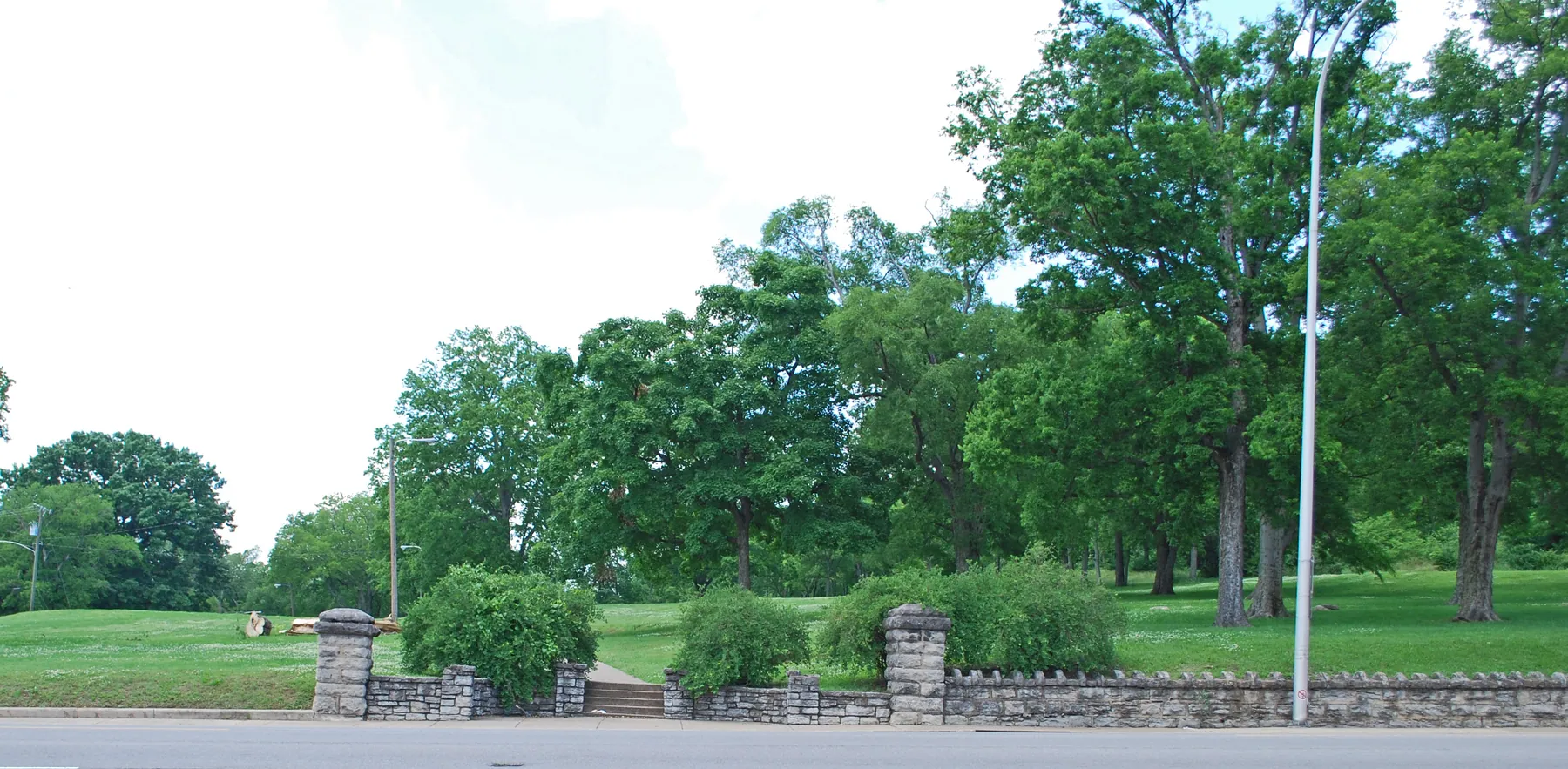
Melrose
Melrose is the stretch of Eighth Avenue South around Melrose Avenue, just south of downtown and the Gulch.
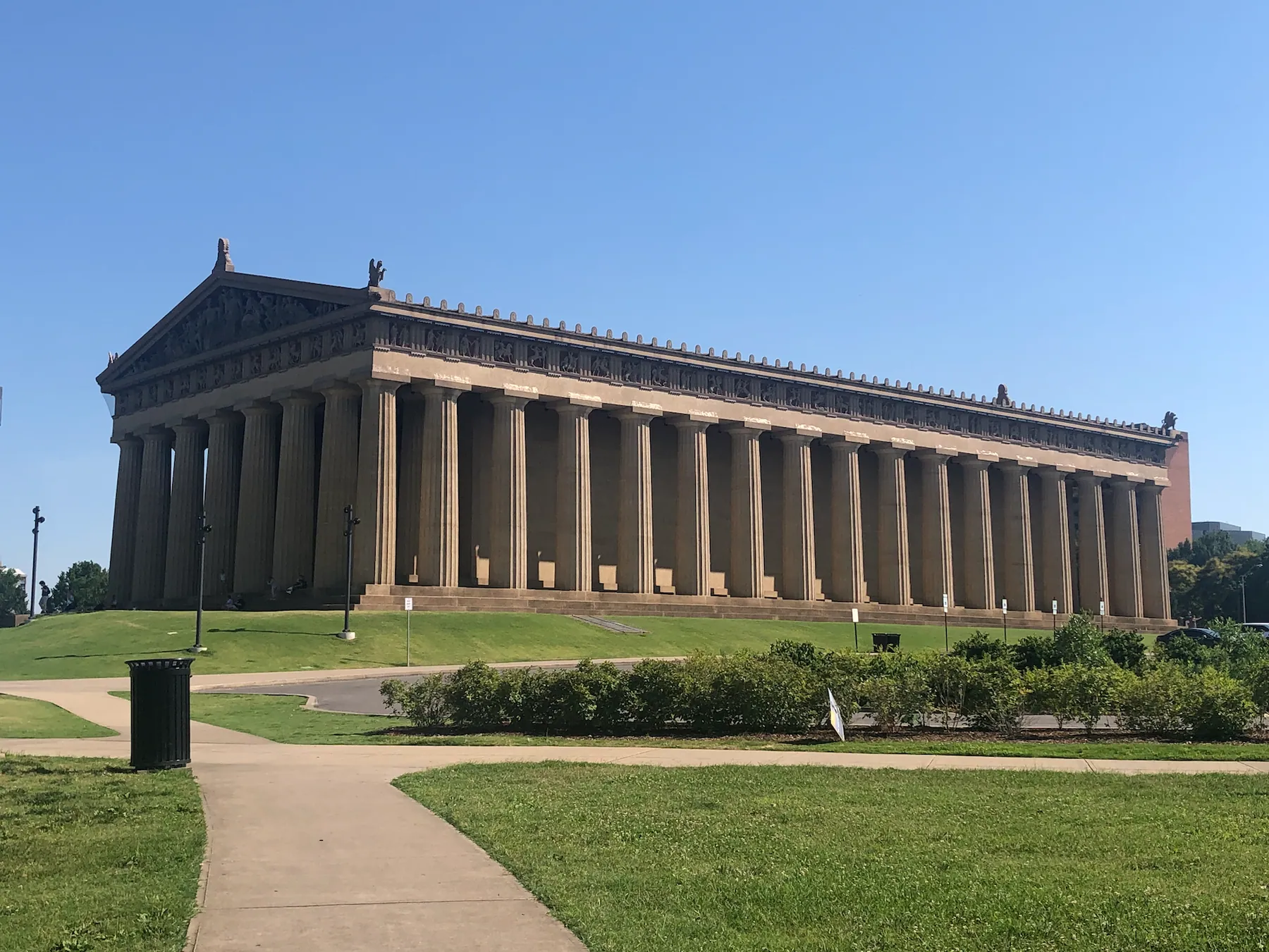
Midtown
Midtown is the stretch between downtown, Music Row, West End and Hillsboro Village, next to Vanderbilt University and Saint Thomas Midtown Hospital.
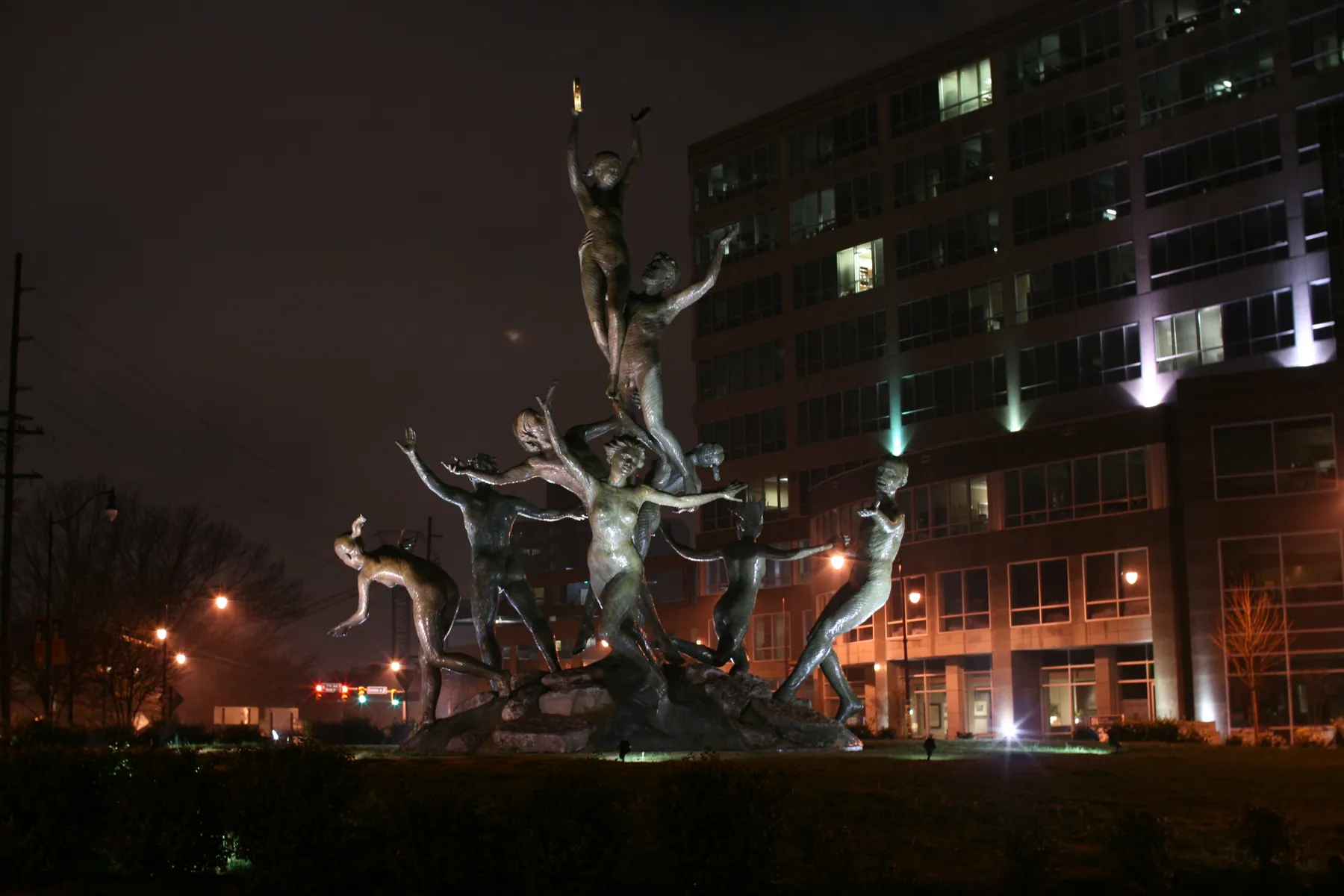
Music Row
Music Row is the studio, label and publishing district around 16th and 17th avenues south, southwest of downtown Nashville.