











Master Lease vs Management Agreement
An owner who wants someone else to run a Nashville building has two basic contracts to pick from: a management agreement, which leaves the owner as operator of record, and a master lease, under which an operator rents the whole building and runs it. Metro's short-term rental rules tie the permit to the property owner, so the choice changes who is exposed when a permit, an inspection or a zoning question goes wrong. This guide sets out what each structure does, what Metro Code 6.28.030 says that bears on it, and what the contract has to settle.
- Permit type for a building run as STR
- Not owner-occupied, one permit per unit (Metro Code 6.28.030 B)
- Who applies for the permit
- The owner of the property
- Permit transfer or assignment
- Not allowed; ownership change ends the permit
- Largest unit that can be permitted
- Four sleeping rooms
- Liability insurance required
- At least $1,000,000 per occurrence
- Responsible party
- Within 25 miles, reachable 24 hours a day, 7 days a week
- Permit term
- 365 days, then renewal
- Fire Marshal inspection
- Buildings with 3 or more dwellings on the property
On this page
- The two contracts in plain terms
- Where the money and the risk land
- The Metro permit belongs to the owner
- Zoning decides whether either contract works
- Permits are unit by unit
- Distance limits and waivers
- Who runs the day-to-day requirements
- Permit loss, renewal and enforcement
- Taxes and licensing questions to settle first
- Clauses that matter in either contract
- How to choose
- Questions
- Sources
The two contracts in plain terms
With a management agreement, the building and the business stay the owner's. The manager works as the owner's agent: it prices the units, answers guests, schedules cleaning, handles repairs and reports the money. The guests' payments belong to the owner, the manager is paid for the work, and the owner pays the expenses. If the units earn more than expected, the owner keeps that. If they earn less, the owner absorbs it.
With a master lease, the operator becomes tenant of the whole building, or of a defined set of units, for a set term. It pays the owner rent and then takes the guest revenue and the operating costs on itself. The owner's income is the rent in the lease. The operator's income is whatever is left after rent and costs.
The two can also be mixed. A lease can set a base rent plus a share of revenue above a threshold, and a management agreement can guarantee the owner a minimum. Those hybrids are contract terms that a Tennessee real estate attorney should draft, and Rad Stay does not give legal or tax advice. The sections below cover the Nashville rules that any version has to fit.
Where the money and the risk land
The cleanest way to compare the two is to ask who is paid when a unit sits empty. With a management agreement, the owner is paid last. Revenue comes in, the manager's fee and the costs come out, and the owner receives the remainder. A slow month reduces the owner's income directly. With a master lease, the rent is the same in a slow month and a busy one, so the operator carries the vacancy.
That is the main reason owners consider leases. An operator that takes on fixed rent has to be sure the building can earn it under the rules described below. A lease signed on a building that cannot lawfully be permitted for short stays is a lease with no business behind it, and the owner is left with a tenant who cannot pay.
Costs follow the same split. A management agreement normally leaves repairs, furnishings and capital items with the owner. A lease can put some or all of them on the operator. Whichever label the lease uses, list each cost line by line.
The Metro permit belongs to the owner
Metro Code 6.28.030 says no person or entity may operate a short-term rental unless the owner of the property has first obtained a permit. The code bars transferring or assigning any permit, and Metro's Operation Requirements page treats any new owner as a fresh applicant under that day's regulations. Retitling from an individual into that individual's trust or LLC, or back, counts too.
That language is the center of the lease question. A master lease gives the operator possession and control. It does not make the operator the owner for permit purposes, and the code does not provide a way to move the permit to the tenant. The practical result is that in both structures the permit, the renewal and the compliance record sit with the owner named on it, even when the operator does all the daily work.
How Metro Codes would treat any particular lease, including one in which the operator runs a building under a permit the owner holds, is a question for the department. Ask in writing, before signing, and keep the answer with the lease. If you hold the building in an LLC, ask the same office how it treats changes in the LLC's members.
One more consequence: do not move title into a new entity just to set up a lease or a joint venture. A deed from you to your own LLC can end the permit under the ownership-change rule, and a new application would be judged under current zoning and distance rules.
Zoning decides whether either contract works
Before choosing a structure, find out whether the building can be permitted at all. Which parcels qualify for absent-owner permits is a zoning question; our multifamily permits guide lists every district named in subsection B.1 and Table 17.08.030.
Homes zoning, farm land, DTC East and industrial parcels are among those left out. NS-tagged districts allow neither permit, and SP or PUD parcels wait on the plan text. Metro's permit-types page closes R, RS, RM and AR2A parcels to fresh absent-owner permits, though present holders may keep renewing until a sale.
Those last words matter for a lease. If your building holds an older permit in a district that would not allow a new one, the permit is worth only as long as you own the building and keep it in good standing. A buyer cannot inherit it. An operator reading a lease proposal should treat that as a limit on how long the business can run, and an owner should expect the rent offer to reflect it.
Overlays add one more check. The adaptive-residential provision, 17.16.030.F.12, strips some lots of both permit types, sparing permits already in good standing by August 1, 2024. Confirm the zoning and any overlay on the parcel with Metro Planning and Metro Codes, not from a listing or a broker's summary.
Permits are unit by unit
Permits are unit by unit, and 17.04.060 limits a permitted dwelling to four sleeping rooms. Metro's apply page says homes with over four bedrooms cannot be permitted. A building with 20 units therefore means 20 applications, 20 renewals and 20 permit numbers to keep current.
Nothing in the code limits the count of a building's units that rent nightly. That does not mean every unit qualifies. Applicants sign off that no HOA, condo, co-op or lease agreement or similar document forbids renting, and Metro's FAQ cautions that associations may impose more than Metro does. If the building is a condominium, the declaration can stop the plan even where zoning allows it.
Existing residential tenants matter here too. A master lease does not clear out people who live in the units now. A lease that starts with occupied units should say which units are delivered on which dates.
Distance limits and waivers
A church, a school, a park, a day care holding a license, or any of their playgrounds within 100 feet of the lot also defeats a fresh absent-owner application. Council can lift that bar with 21 votes on a resolution after a hearing, mailed letters and a posted sign, and of the 30-plus waivers filed from 2023 to 2026 that our Legistar search found, most passed.
One that failed, on June 4, 2024, was RS2024-479, a request covering 62 units on 2nd Avenue North at number 160. A smaller request for 55 there, RS2024-580, passed on July 2, 2024. Work under active development in 2020 is exempt.
For the contract, a waiver is a timing and approval risk that neither side controls. If a waiver is needed, write the lease or agreement so the start date, the rent and any fee depend on the permits being issued, and say what happens if Council says no.
Who runs the day-to-day requirements
Metro's operating rules attach to the permit and apply the same way under either contract. Every permitted unit must then meet Metro's operating rules on stay length (one day to 30 nights), guest caps, posted contacts, guest registers, a responsible party who answers at any hour from within 25 miles, liability insurance of $1 million and neighbor notice, all explained in our permits guide.
In a management agreement the manager usually serves as the responsible party and the owner carries the policy, with the manager named on it. In a lease the operator often supplies both. Either way, name the person, the phone number, the insurer and the minimum limits in the contract, and require a certificate of insurance every year. Because the owner's permit is the one at risk, an owner should require proof of coverage and of every inspection, not just a promise.
Permit loss, renewal and enforcement
Permits last a year. Renewing up to 30 days late is Metro's call, not a right, and it is refused for units with documented complaints; Metro emails reminders 60 and 45 days out. Per Metro's February 2026 FAQ the fee was $313 per permit; ask what the zoning administrator now charges to renew. With a permit per unit, a building's renewals may fall on different dates. Put every date on one calendar and assign one named person to it.
After the third breach of its general provisions Metro may revoke on 15 days' written notice, with review available from the STR Appeals Board under Section 6.28.035. After a revocation Metro will not issue a new permit for a period of one year. Running a unit without a permit is a fifty-dollar-a-day exposure, with a one-year wait before a permit can be issued. A lapsed permit means six months before reapplying; a court finding of unpermitted renting means three years.
Because the revocation falls on the owner's permit for the owner's property, the contract has to answer these questions: does the operator cure violations at its own cost, can the owner step in, what happens to rent or fees while a unit is shut, and when can either side end the deal. In a management agreement the usual answer is a termination right for the owner. In a master lease the owner needs a default clause that applies when the operator's conduct causes violations, since the operator is the one on site.
If a permit is lost, Rad Stay also runs monthly and yearly leases. The 30-day cap on a guest stay is a rule for permitted short-term rentals, so a unit rented for longer terms to a tenant is a different business with a different lease. Confirm with Metro Codes where the line falls before moving a unit from one model to the other.
Taxes and licensing questions to settle first
Because the permit stays in the owner's name, a lease or agreement needs a clear clause saying who registers with the state and Metro, who collects and remits, and who bears penalties for late filing. Our guide to Nashville hotel occupancy taxes covers rates and filing.
Two more points belong with your attorney and CPA, not in a handshake. First, whether the structure changes how rent and guest revenue are taxed to you. Second, whether a Tennessee real estate license is needed for the party who rents out property for others under a management agreement. Ask Tennessee's Real Estate Commission to confirm it.
Clauses that matter in either contract
These items cause most of the trouble between owners and operators. Settle each one in writing:
- Which units, which dates and which condition they are delivered in
- Who files each permit application and renewal, and who pays the fee
- A permit condition: no rent, or reduced rent, until the permits issue, and an exit if Metro or Council says no
- Who is the responsible party, and what happens if that person is unavailable
- Insurance limits, who is named, and annual certificates
- Who pays for furnishings, repairs, smoke alarm and fire code work, and capital items above a stated amount
- Taxes: who registers, collects, remits and pays penalties
- Reporting: monthly statements, access to the booking accounts, and audit rights
- Sale of the building: the permit ends on a change of ownership, so state what the buyer takes, what the operator keeps, and the notice period
- Lender consent, if the building has a mortgage
- Default, cure periods and termination, including what each side owes if a permit is revoked
How to choose
Choose a management agreement when you want to keep the upside, the control of the business and the direct line to Metro, and you are comfortable carrying vacancy. Choose a master lease when you want fixed income and are willing to give up that upside, and when the zoning, the distance rule and any association documents are cleared first. If they are not cleared, the lease rests on permits that may never issue.
Rad Stay handles stays from a night to a year, and also weighs buildings it might purchase, lease or partner on. Its own building, the four lofts at 329 Union, holds four separate permits. Send the address or parcel number, a unit list with bedroom counts, current tenants and their lease end dates, any association documents and the zoning, and Rad Stay will review which structure fits that building, if any.
Questions
Can an operator hold the short-term rental permit under a master lease?
Section 6.28.030 says the property owner obtains the permit, which cannot be assigned or transferred. Ask Metro Codes in writing how it treats your proposed lease before you sign.
Does a master lease protect me from Metro violations?
No. The permit stays in your name as owner. A lease can make the operator pay for and cure violations, but Metro can still revoke after three violations and refuse a new permit for a year.
What happens to the permit if I sell the building?
It ends. No; a sale voids it, and the new owner applies under whatever rules are current. Your lease or agreement should say what happens to the operator and to the units.
Does Metro limit the number of units in one building that rent nightly?
No cap appears in the sections we read. Zoning, the distance rule, association papers and the four-bedroom limit can still rule units out.
Which structure pays more?
It varies with the building and the terms; Rad Stay does not publish numbers. A management agreement passes revenue and vacancy to you. A master lease gives you fixed rent and passes both to the operator. Have your CPA model both.
Sources
- Metro Code Chapter 6.28, including 6.28.030 Short term rental property permit and 6.28.035 (current through June 23, 2026), Municode
- Metro Code 17.04.060, definitions (short term rental property), Municode
- Metro Code 17.08.030, land use table, Municode
- Metro Code Chapter 17.16, land use standards including 17.16.030 and 17.16.070.W, Municode
- Metro Codes, Apply for a short term rental property permit (archived Aug. 22, 2026)
- Metro Codes, Not owner-occupied checklist (archived Feb. 16, 2026)
- Metro Codes, Short term rental permit types (archived Feb. 17, 2026)
- Metro Codes, Operation requirements (archived Feb. 12, 2026)
- Metro Codes, Renew a short term rental property permit (archived Oct. 12, 2026)
- Metro Codes, Short term rental frequently asked questions (archived Feb. 11, 2026)
- Metro Council Legistar, short term rental waiver resolutions RS2024-479 and RS2024-580
Checked October 18, 2026.
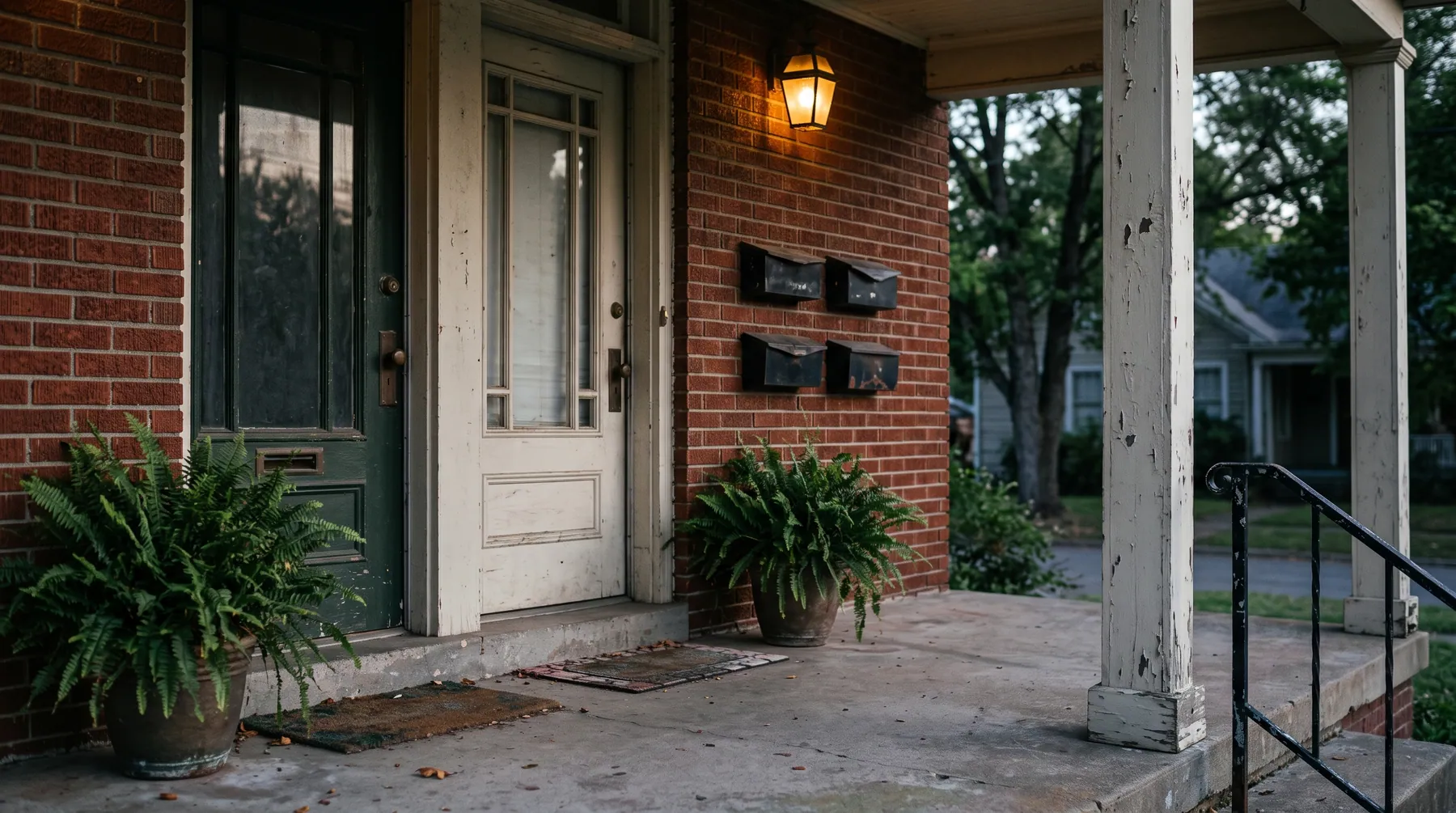
Top image: Illustration of a representative scene, not a specific property.
To keep this page, print it or choose Save as PDF in your browser's print window. The printout keeps the sources and the date.
More investment guides
All 4
Underwriting a Short-Term Rental Building
Underwriting a short-term rental building means turning a unit count into a revenue line, then taking out everything that sits between the guest's payment and your net operating income.

Buying a Multifamily Building for Short-Term Rentals in Nashville
In Nashville the permit, more than the rent roll, sets what a multifamily building can earn by the night, and it does not convey with the deed.
Financing Small Multifamily in Tennessee
Financing a four-to-200-unit building starts with a question the loan documents do not answer: what income can the building legally earn after you close? In Nashville, short-term rental permits do not transfer to a buyer, so that question has a specific answer under Metro Code.