
Markets Served
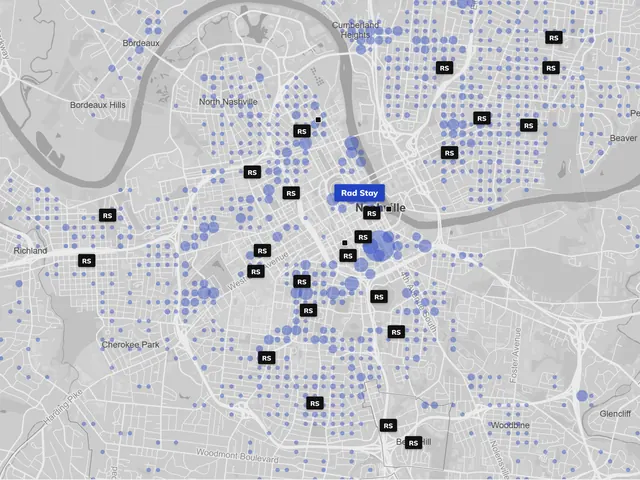
Twenty-eight neighborhoods in urban Nashville. Each page names its ZIP codes and zoning, tallies the short-stay permits Metro has issued in that neighborhood and links to the sources.
Areas we serve
- Downtown Nashville
- Printers Alley
- SoBro
- The Gulch
- Rutledge Hill
- East Bank
- Midtown
- Music Row
- West End
- Hillsboro Village
- Edgehill
- 12 South
- Sylvan Park
- The Nations
- Wedgewood-Houston
- Chestnut Hill
- Berry Hill
- Melrose
- Germantown
- Salemtown
- North Nashville
- Marathon Village
- East Nashville
- Five Points
- Lockeland Springs
- Edgefield
- Cleveland Park
- Inglewood
Greater Nashville: 12 towns around the city
Black squares mark each market page. The blue label is Rad Stay's own building at 329 Union Street. White rings are the towns around Nashville. Map data from OpenStreetMap contributors.
How to read a market page
Each of the 28 pages sizes up one urban neighborhood the way an owner would: its edges and ZIP codes, the zoning districts on its streets, the permits Metro has issued, who visits and why, how much demand there is for longer stays, recent building, transport, and the kinds of building that fit.
Two cautions apply to all of them. Metro reports permits per ZIP code, and one ZIP can span several neighborhoods, so the counts speak for an area wider than the page's own streets. And the zoning district on a parcel, not the neighborhood's name, decides whether an absentee owner may apply for a new permit: residential districts are closed to it, while the zoning districts on Metro's list, from the Downtown Code to mixed-use, office and commercial ones, are open.
Who it is for
Owners and buyers comparing neighborhoods before they look at a single address.
Five parts of the city
- Downtown coreThe Downtown Code covers the central blocks, and every part of it except DTC East still takes new absentee-owner permits.
- Midtown and WestVanderbilt, the hospitals and the music business keep visitors coming through the week, from Midtown out to Sylvan Park and The Nations.
- SouthBerry Hill, Melrose, Chestnut Hill and Wedgewood-Houston. Berry Hill governs itself as its own city, with its own rental ordinance and zoning code.
- NorthGermantown, Salemtown, North Nashville and Marathon Village: historic overlays, three university campuses and the old factory blocks on Clinton Street.
- EastAcross the river, many streets carry residential zoning, so new permits for owners living elsewhere depend on the commercial and mixed-use corridors.
Issued permits in each market's ZIP codes
Counts from Metro's permit file, downloaded November 3, 2026, status Issued, for every ZIP code a market page names. One ZIP code can serve several neighborhoods, and the permit explorer has all 31.
| ZIP code | Market pages | All issued | Owner lives elsewhere | Owner lives there |
|---|---|---|---|---|
| 37203 | Downtown Nashville, SoBro, The Gulch, Rutledge Hill, Midtown, Music Row, West End, Edgehill, Marathon Village | 1,709 | 1,621 | 88 |
| 37207 | East Nashville, Five Points, Cleveland Park | 810 | 562 | 248 |
| 37208 | Germantown, Salemtown, North Nashville, Marathon Village | 722 | 528 | 194 |
| 37206 | East Nashville, Five Points, Edgefield, Cleveland Park | 657 | 293 | 364 |
| 37212 | Midtown, Music Row, West End, Hillsboro Village, Edgehill, 12 South | 461 | 358 | 103 |
| 37209 | Sylvan Park, The Nations, North Nashville | 441 | 320 | 121 |
| 37201 | Downtown Nashville, Printers Alley, SoBro | 346 | 338 | 8 |
| 37210 | Rutledge Hill | 336 | 262 | 74 |
| 37216 | East Nashville, Inglewood | 311 | 166 | 145 |
| 37204 | 12 South, Berry Hill, Melrose | 179 | 96 | 83 |
| 37219 | Downtown Nashville | 78 | 75 | 3 |
| 37205 | West End | 37 | 6 | 31 |
Start here
- Printers Alley
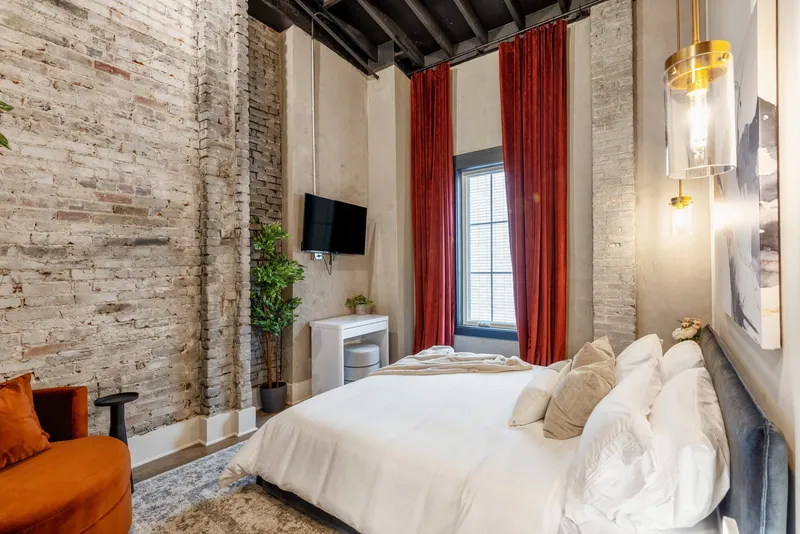
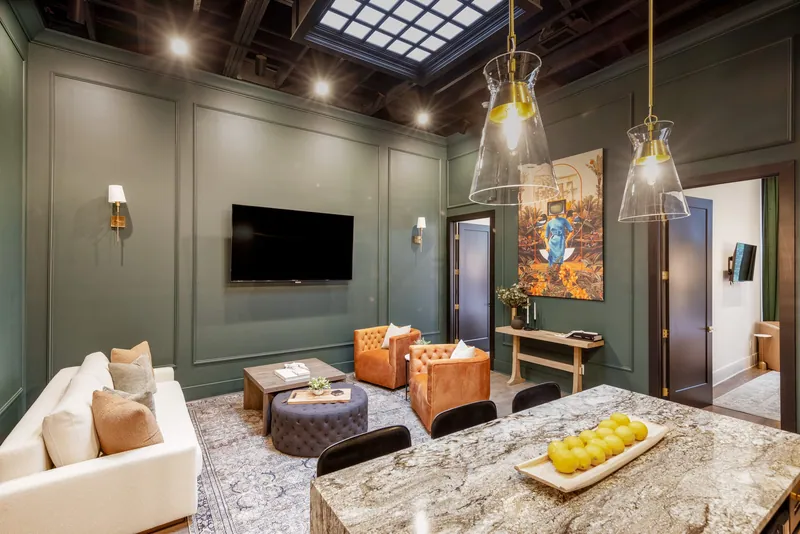
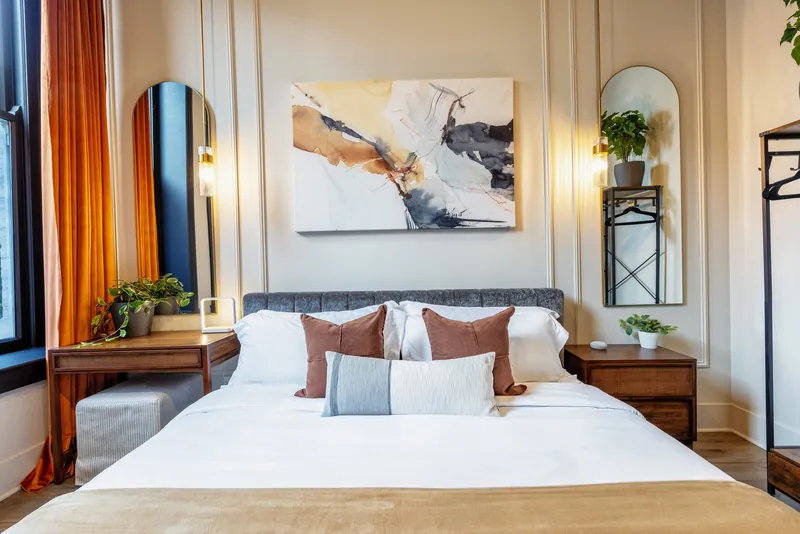
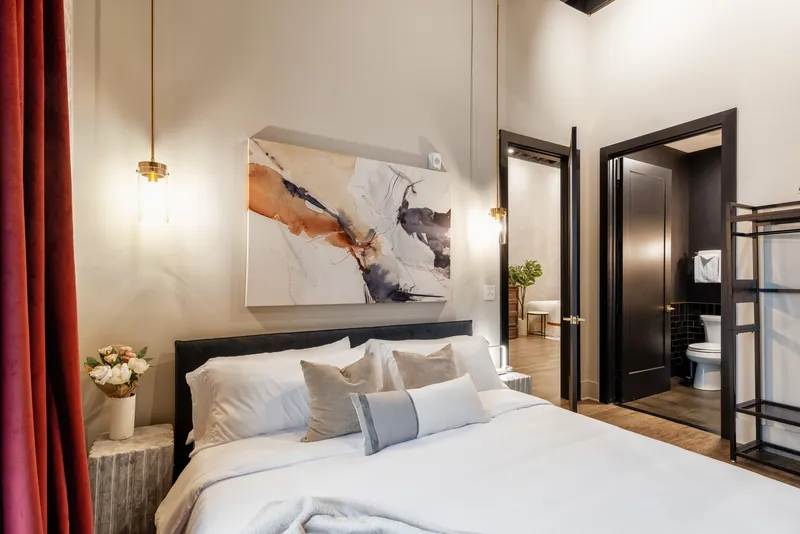
Rad Stay's own block, where Union Street Lofts holds four permits upstairs at number 329.
- Downtown Nashville
The central business district, where all but one Downtown Code subdistrict still take new absentee-owner permits.
- The Gulch
A former rail yard turned district of apartment and condo buildings, in the ZIP code with the most permits.
- East Nashville
The big area across the river, where the zoning, and so the answer, can change from block to block.
- Berry Hill
A separate city inside Nashville's street grid, where Metro's permit rules do not apply.
- East Bank
The new stadium district, and why its Downtown Code piece is off Metro's list for investor permits.
Downtown Nashville
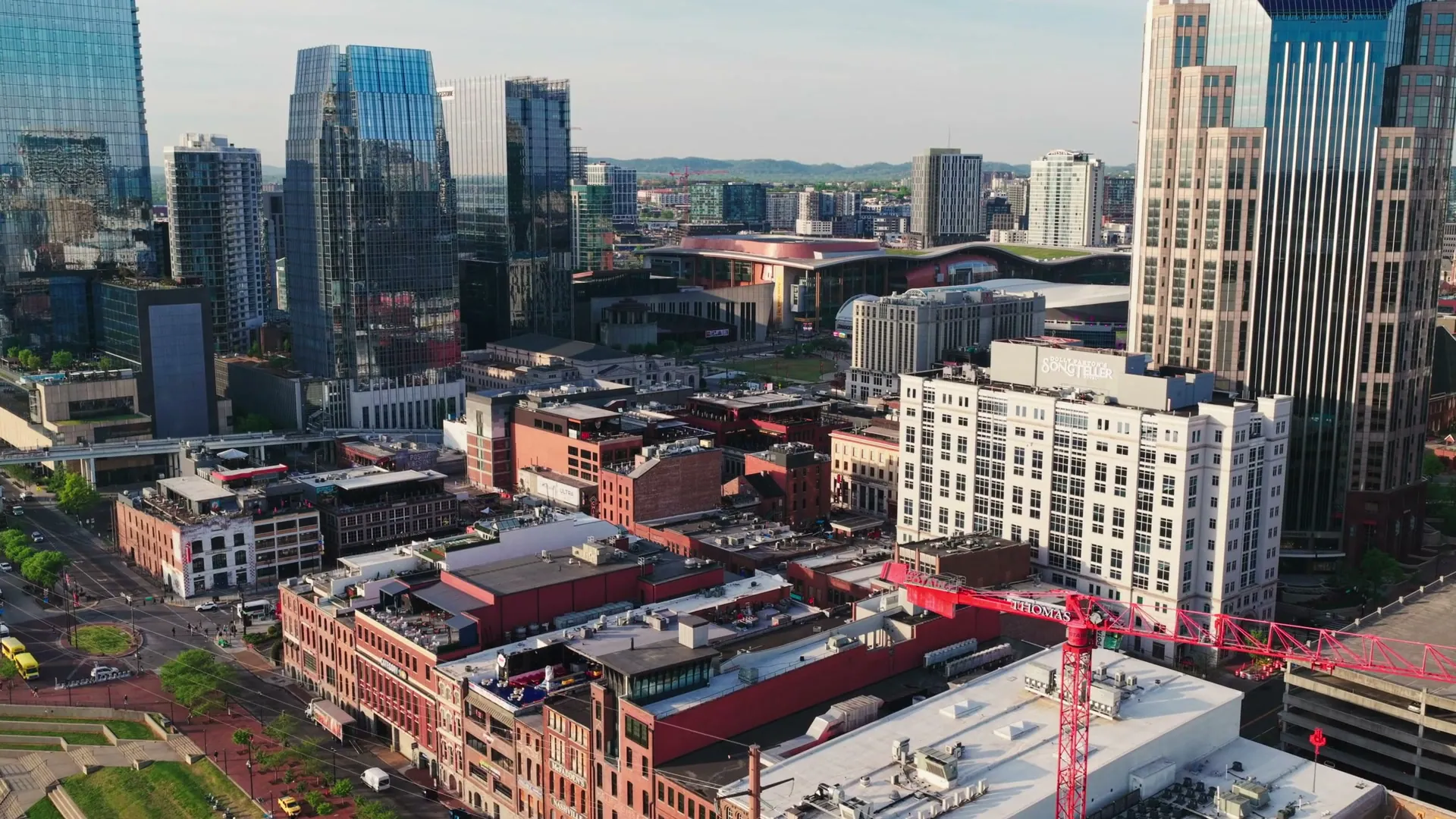
Downtown Nashville is the central business district, Lower Broadway, Second Avenue, Printers Alley and the Capitol area.
Printers Alley
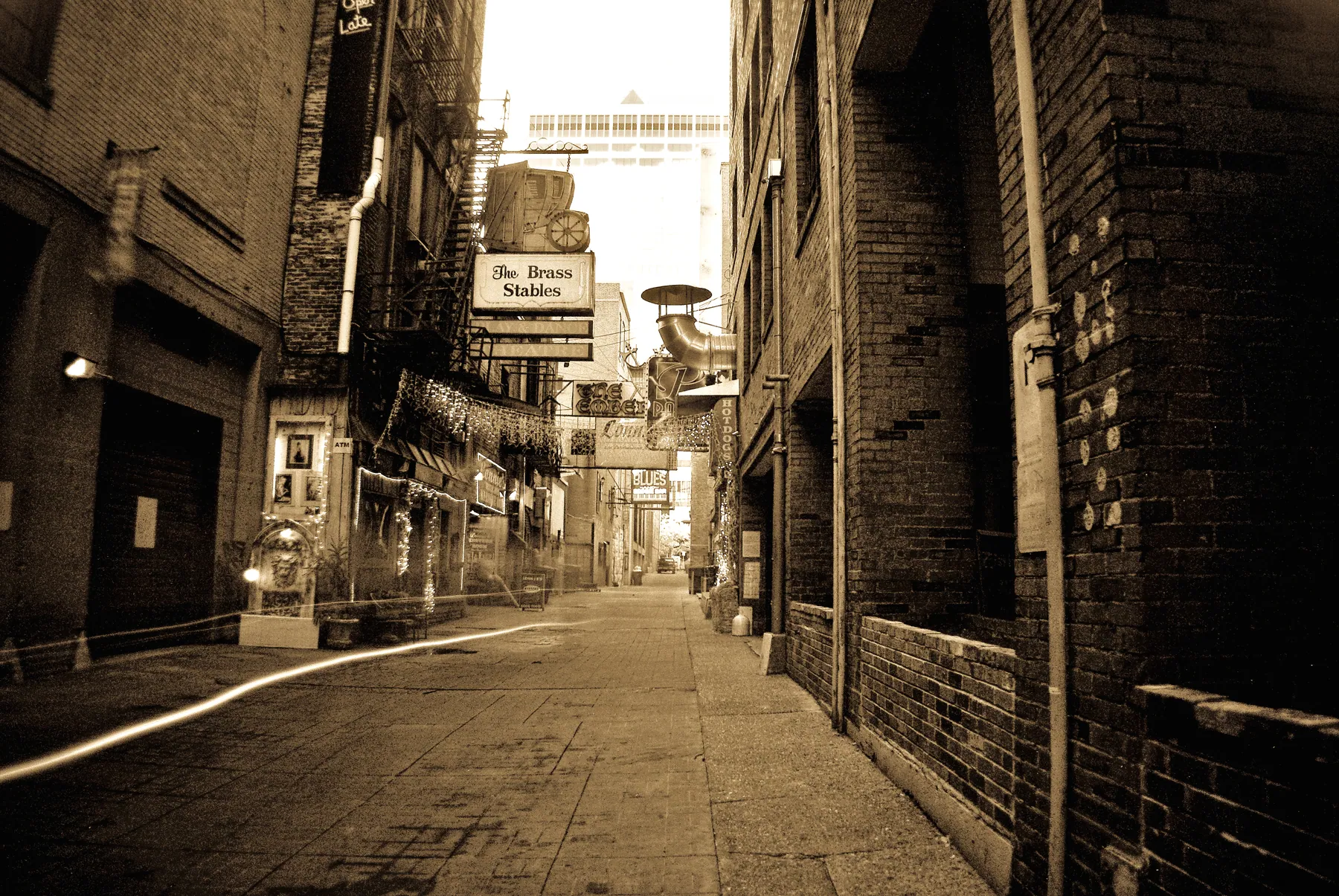
Printers Alley is a short alley in downtown Nashville between Union and Church Streets, and the blocks around it hold hotels, nightclubs, old printing-trade buildings and upper-floor lofts.
SoBro
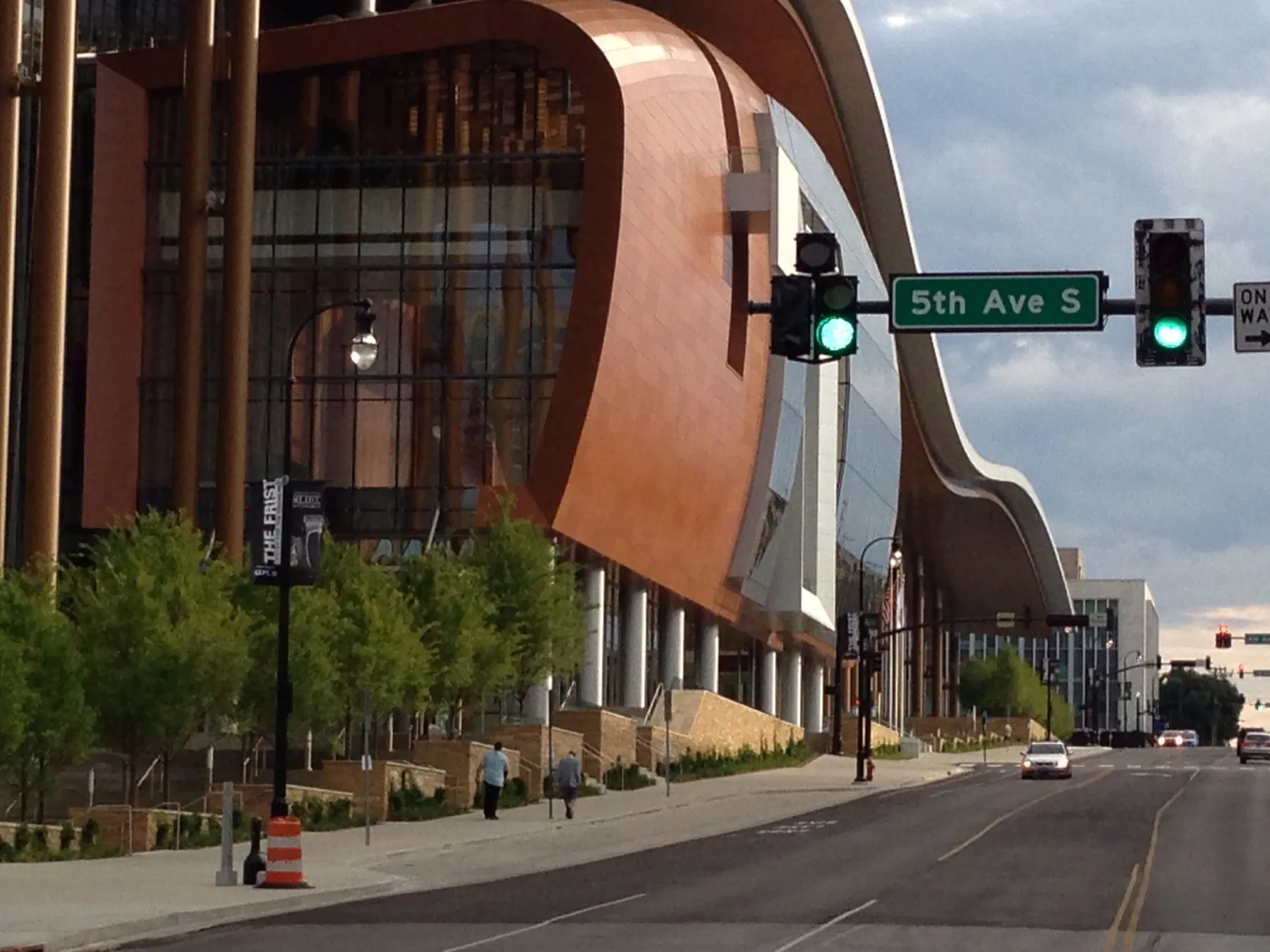
SoBro is the part of downtown Nashville south of Broadway: the Music City Center, the Schermerhorn concert hall and a run of new residential and hotel towers.
The Gulch
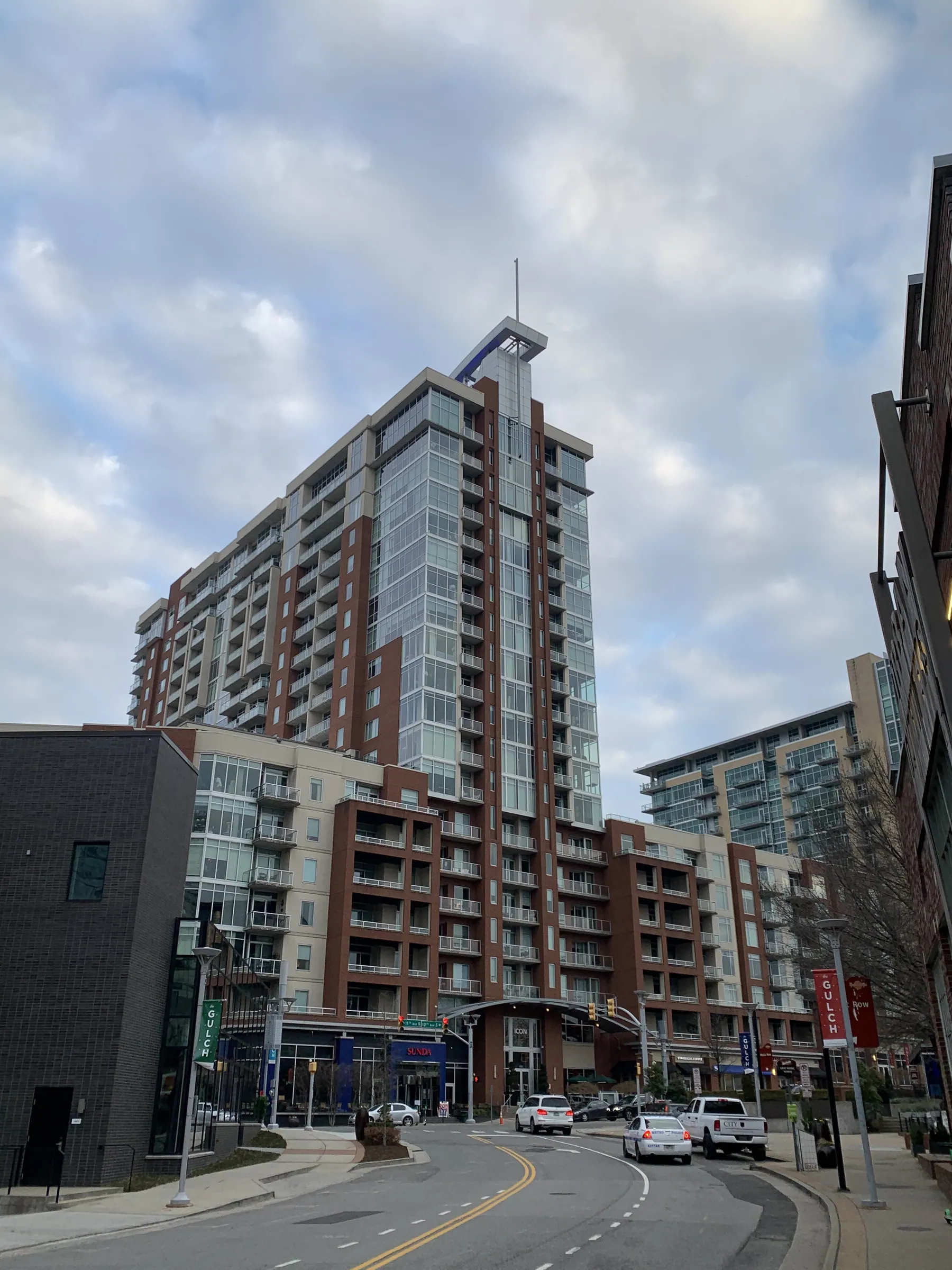
The Gulch is a former rail yard on the south edge of downtown Nashville, now a district of apartment and condo towers, offices and hotels.
Rutledge Hill
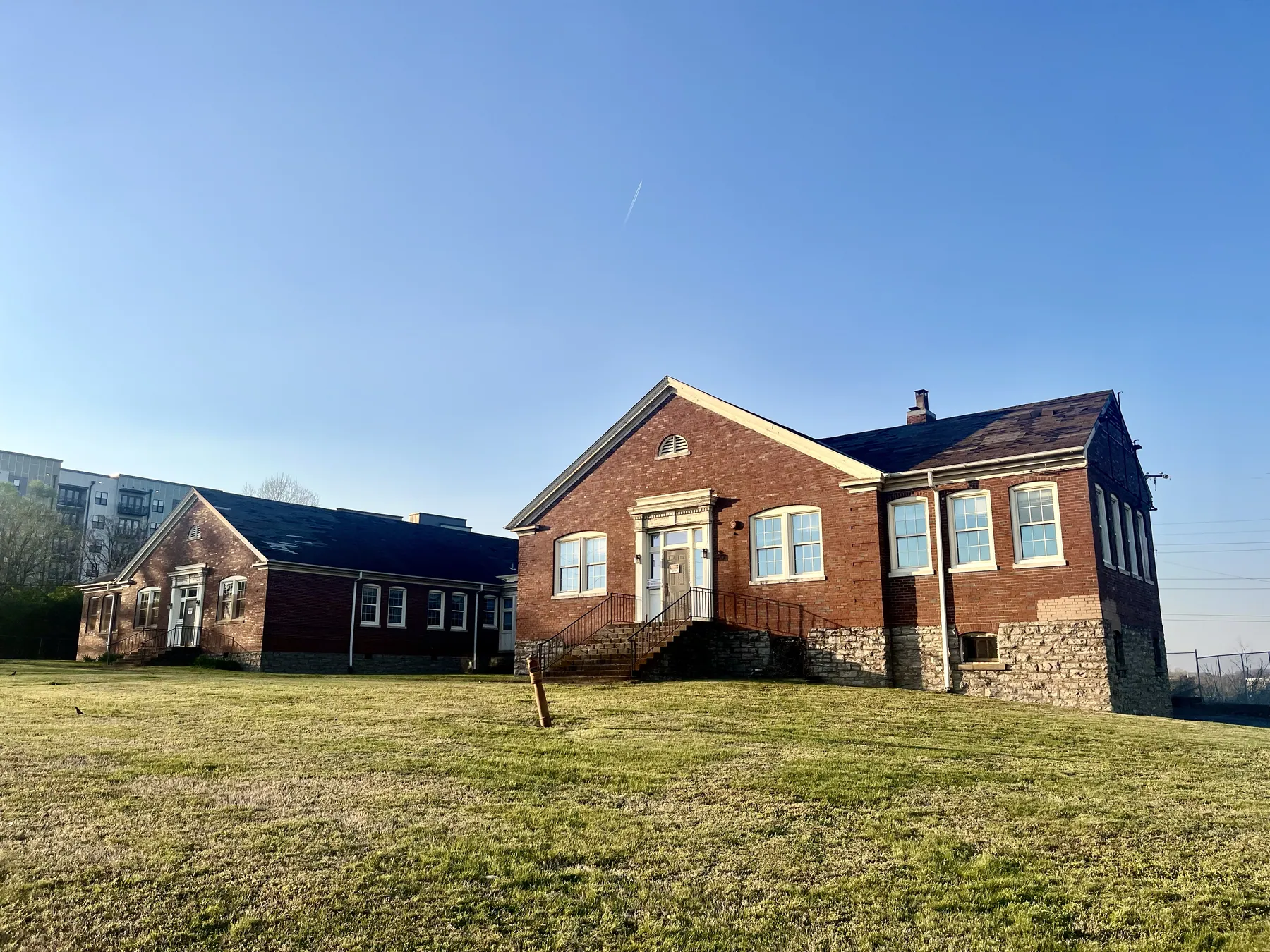
Rutledge Hill sits just southeast of downtown Nashville, and Rolling Mill Hill, the former Nashville General Hospital site, is next to it.
East Bank
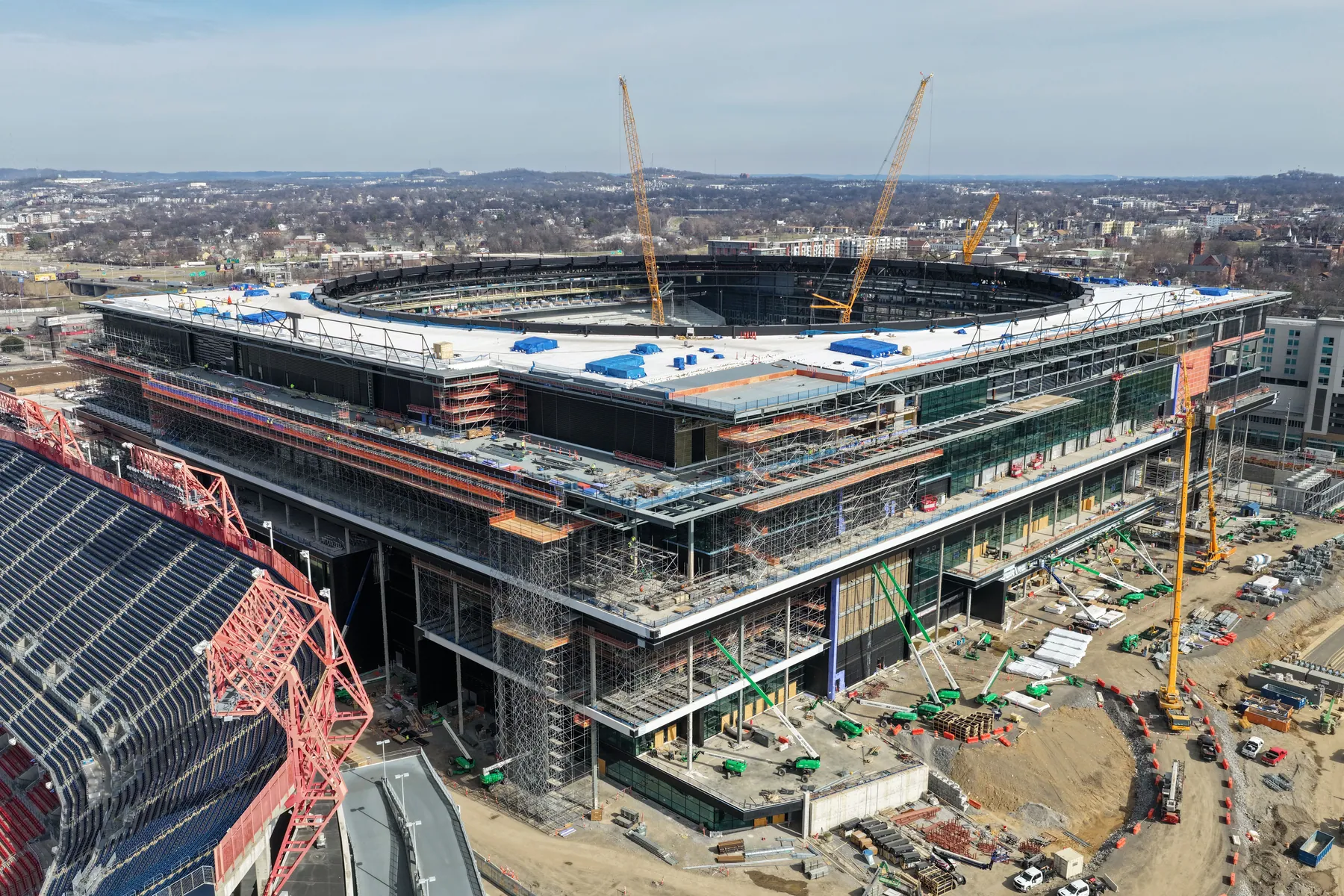
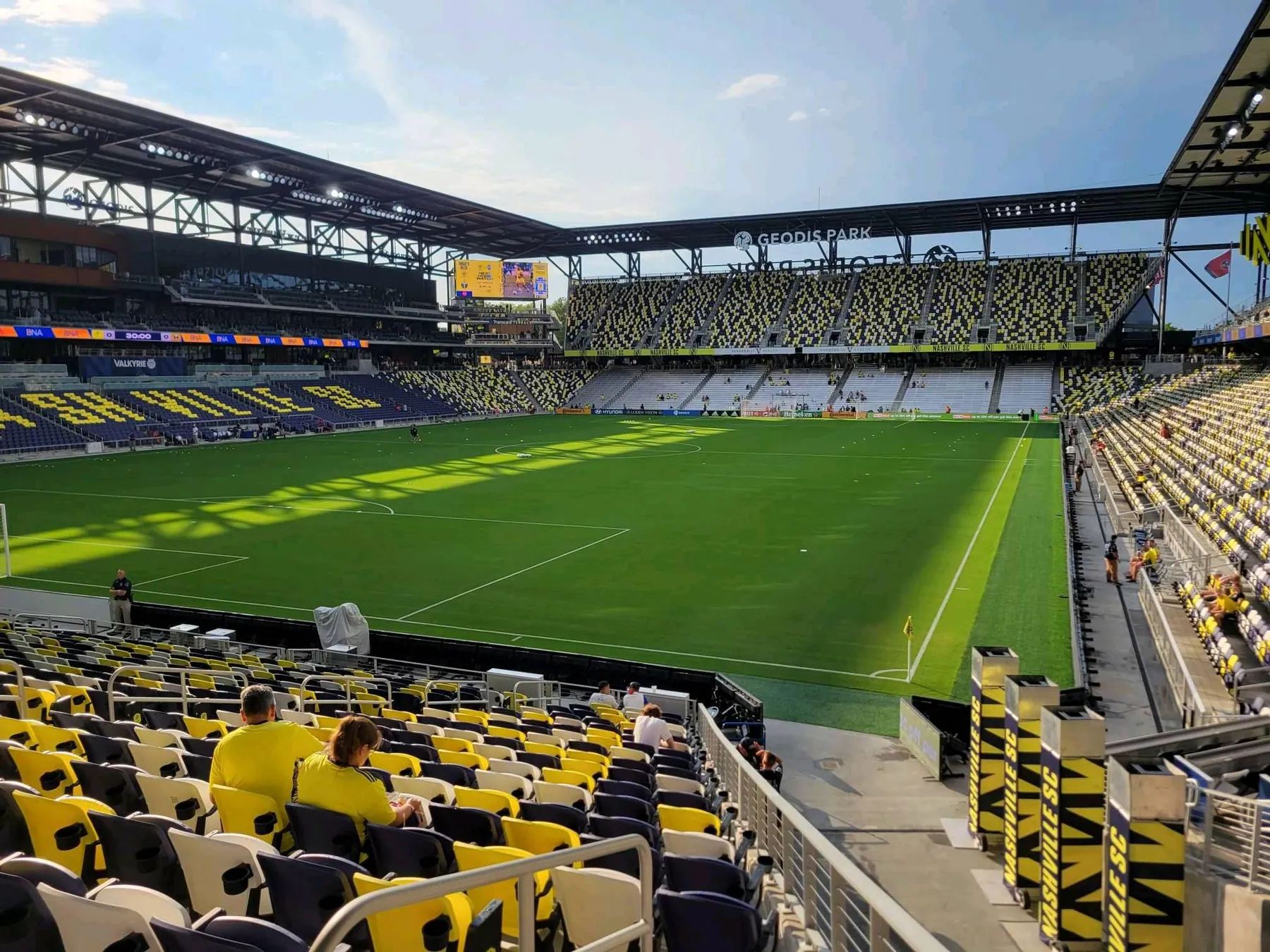
The East Bank is the strip facing downtown over the river, where the Titans play now and where a new enclosed stadium, a master-planned district and an Oracle campus are going up.
Midtown
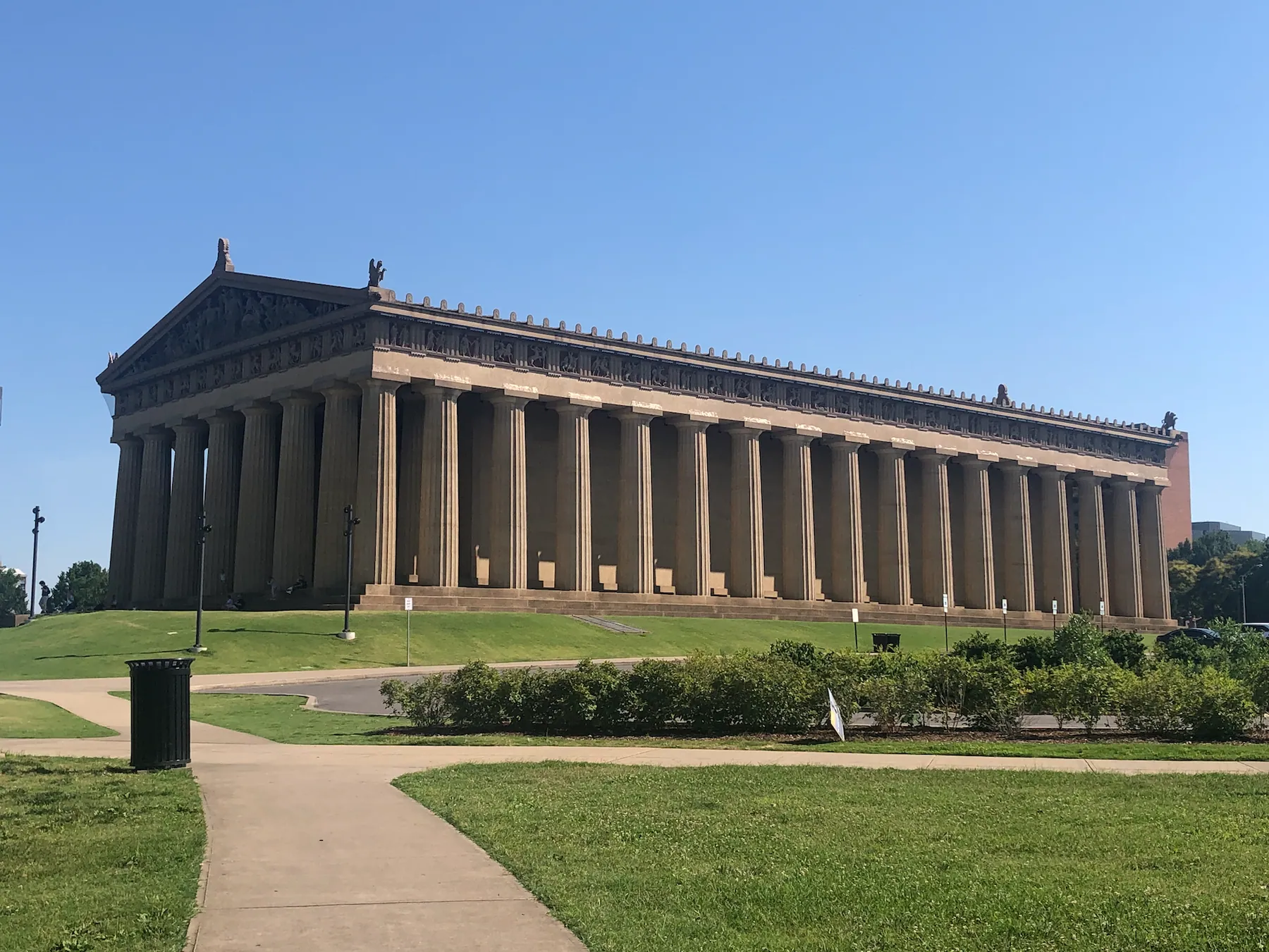
Midtown is the stretch between downtown, Music Row, West End and Hillsboro Village, next to Vanderbilt University and Saint Thomas Midtown Hospital.
Music Row
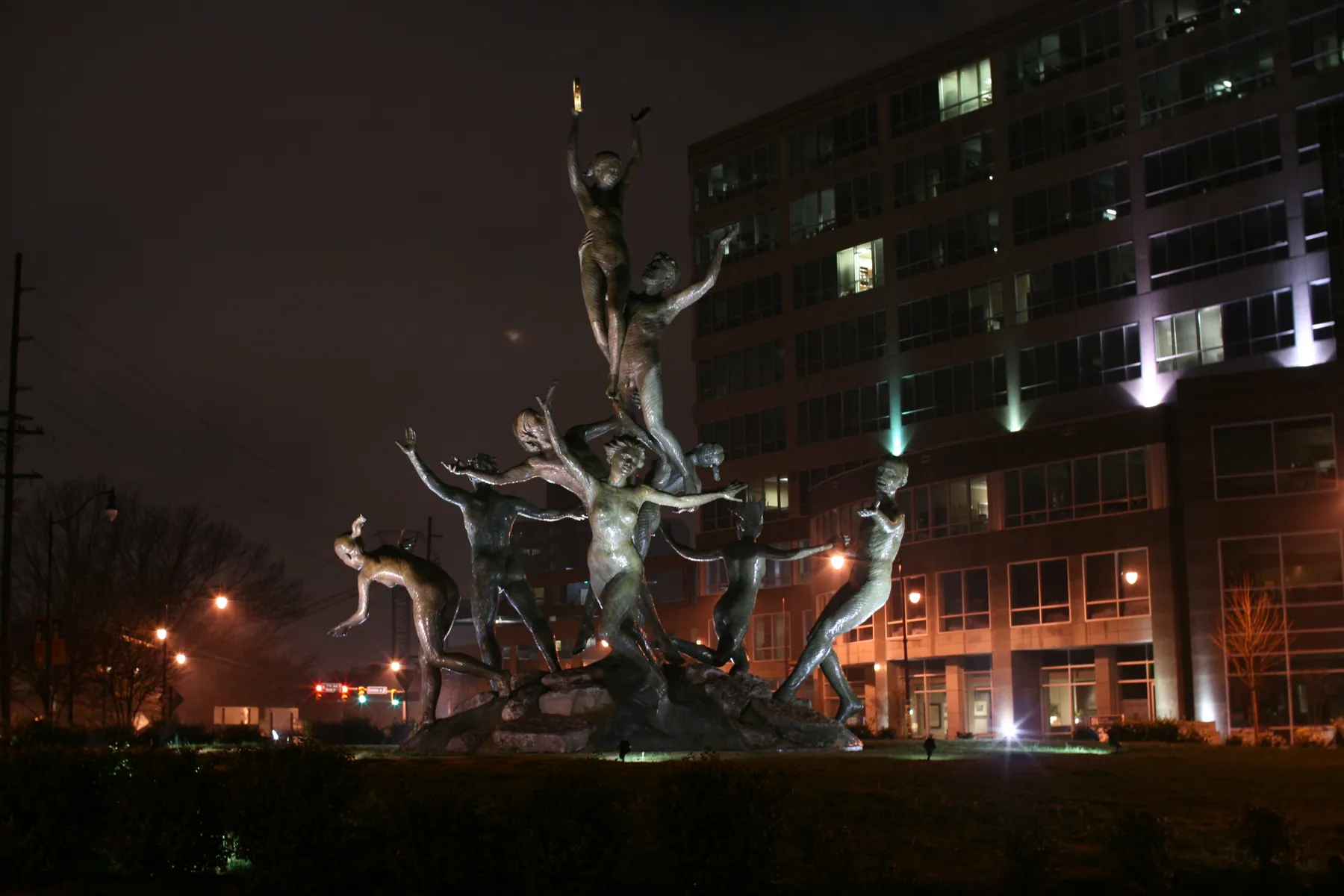
Music Row is the studio, label and publishing district around 16th and 17th avenues south, southwest of downtown Nashville.
West End
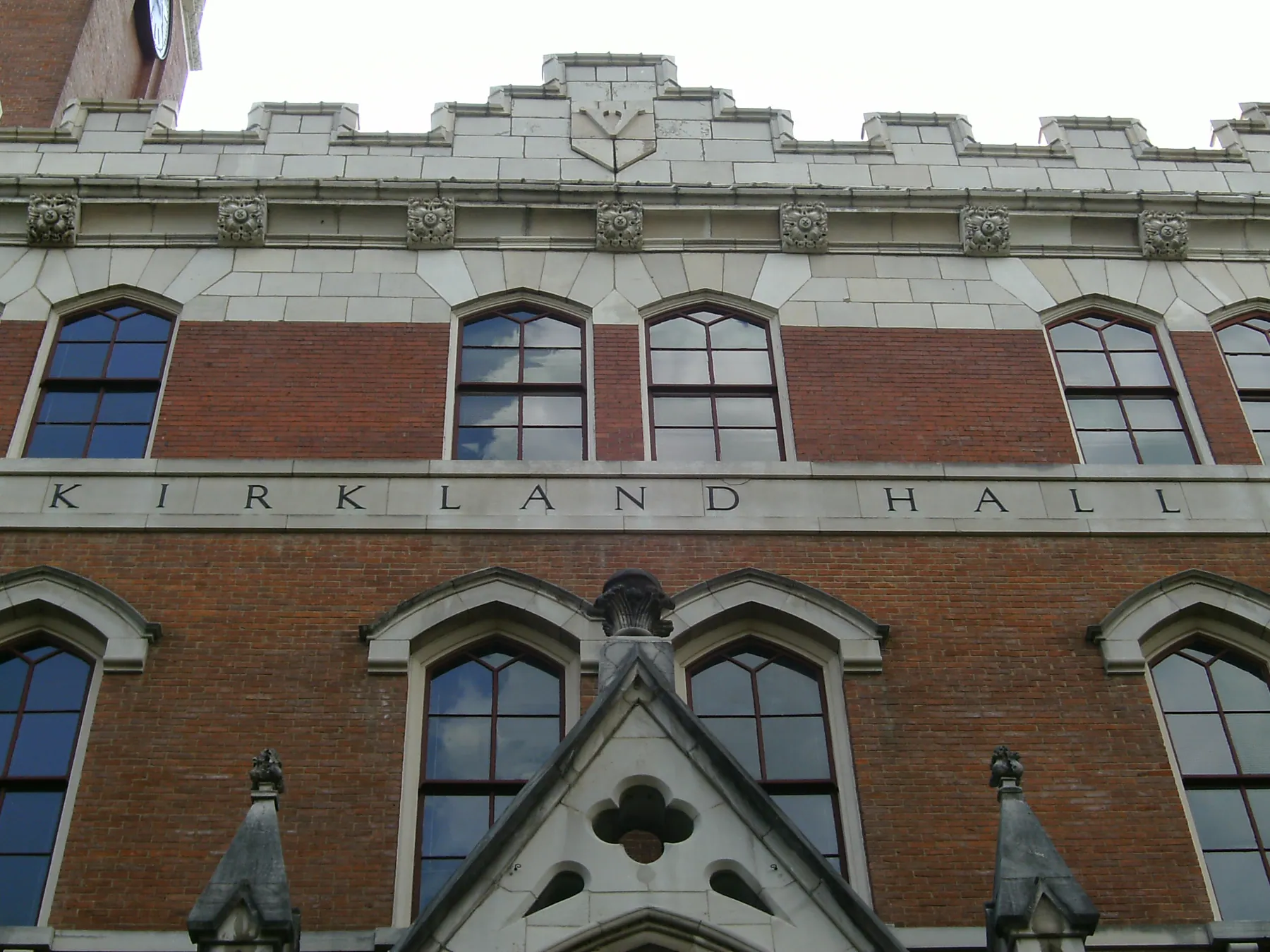
West End is the corridor that runs southwest from Midtown along West End Avenue past Vanderbilt University, Elliston Place and Centennial Park.
Hillsboro Village
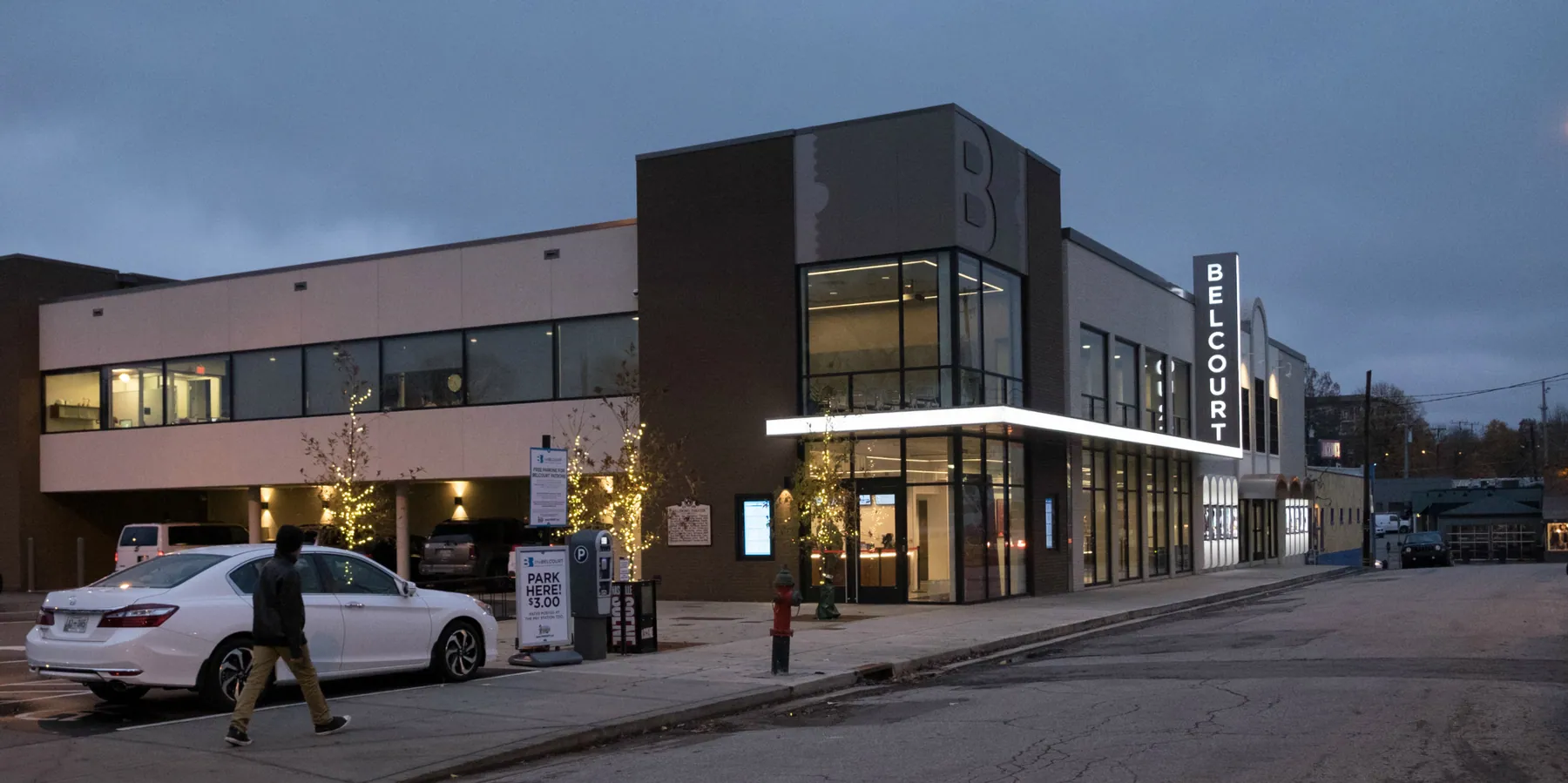
Hillsboro Village is the small commercial district on 21st Avenue South between the Vanderbilt and Belmont campuses, and Belmont-Hillsboro is the residential neighborhood that wraps around it.
Edgehill
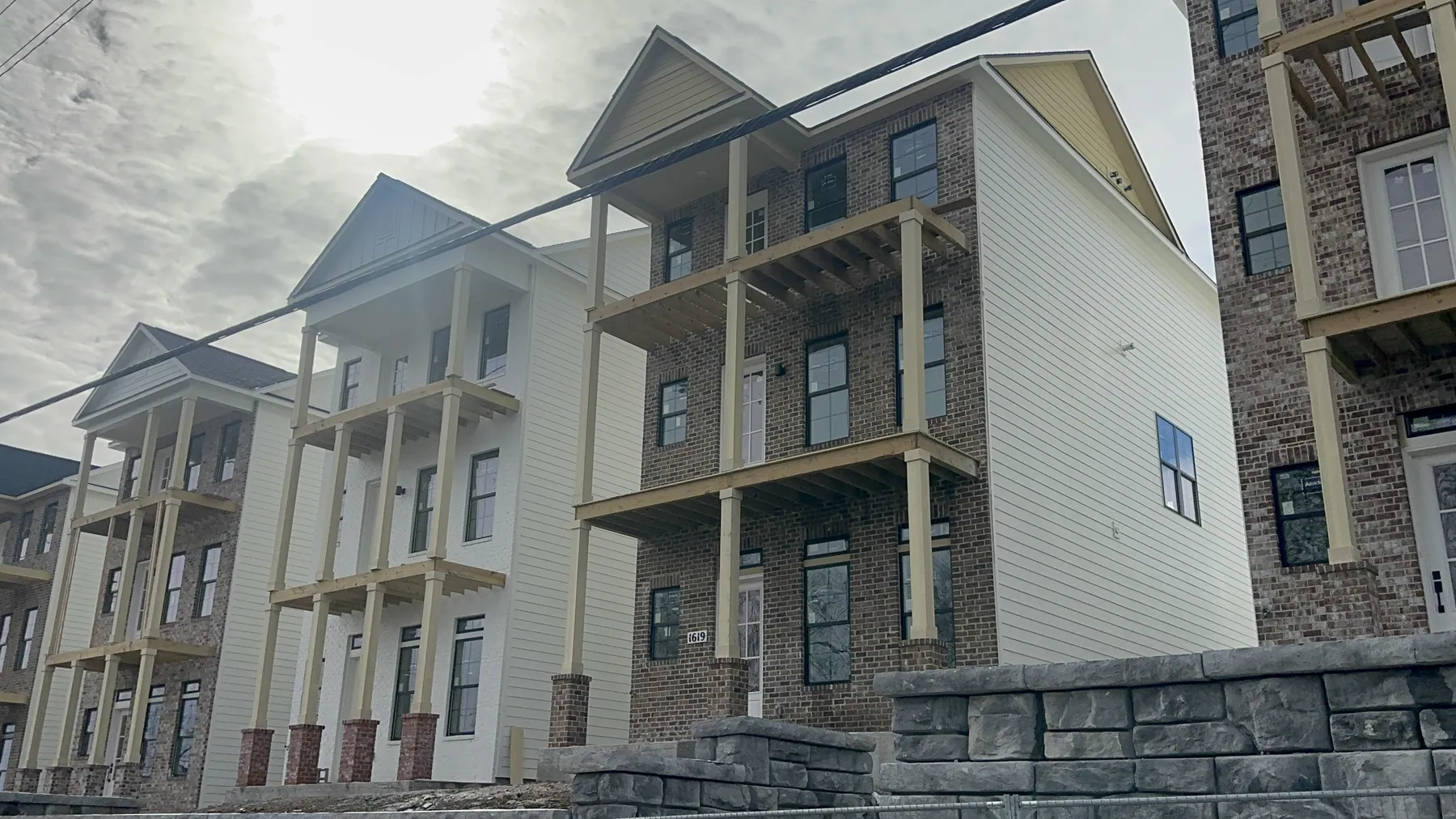
Edgehill lies between Music Row and I-65, just south of the Gulch, where single-family streets, public housing, new condo regimes and the Edgehill Village shops are only blocks apart.
12 South
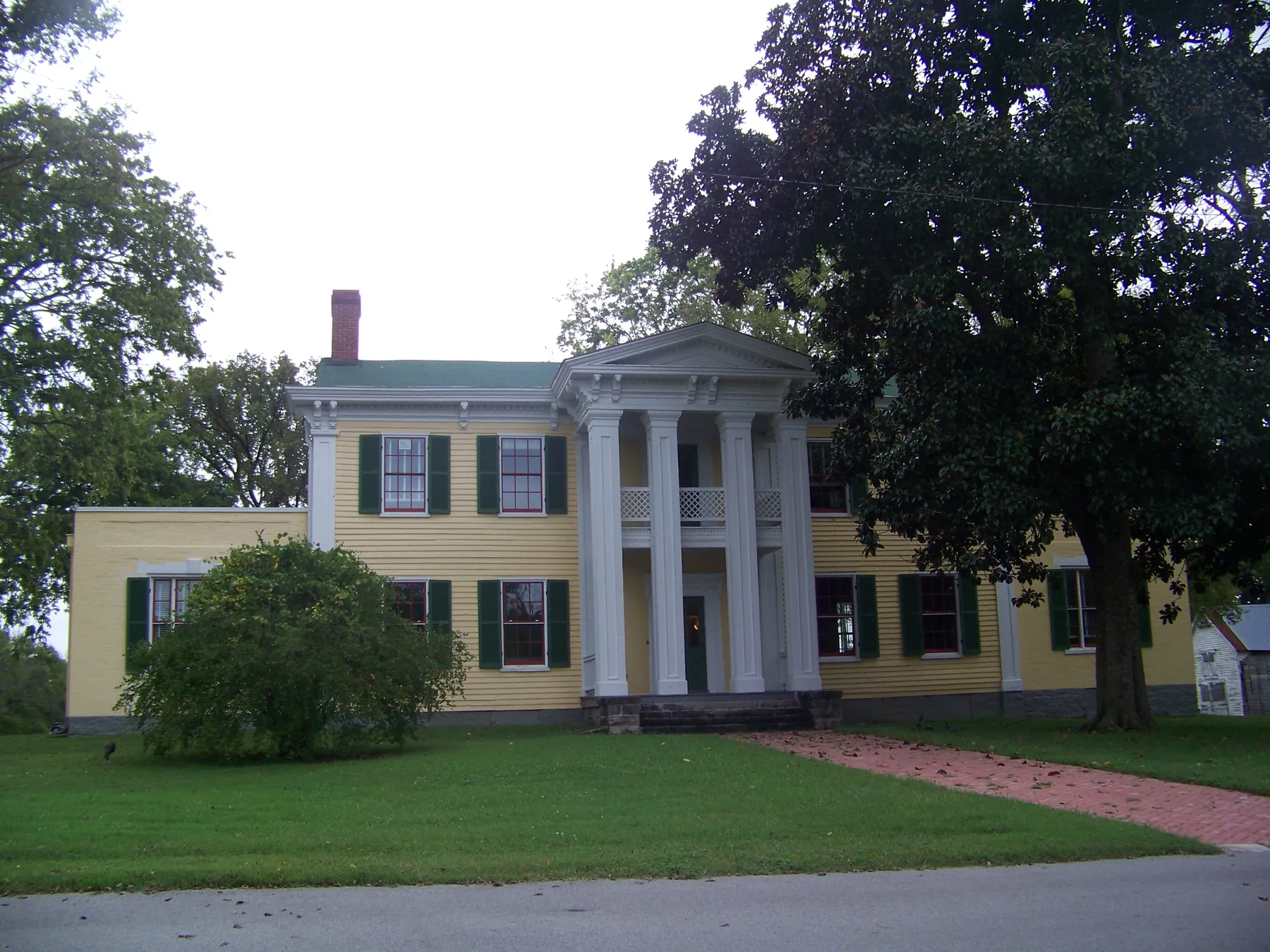
12 South is the half-mile of shops, restaurants and cafes along 12th Avenue South, from Wedgewood Avenue to Sevier Park, plus the early 1900s streets around it.
Sylvan Park
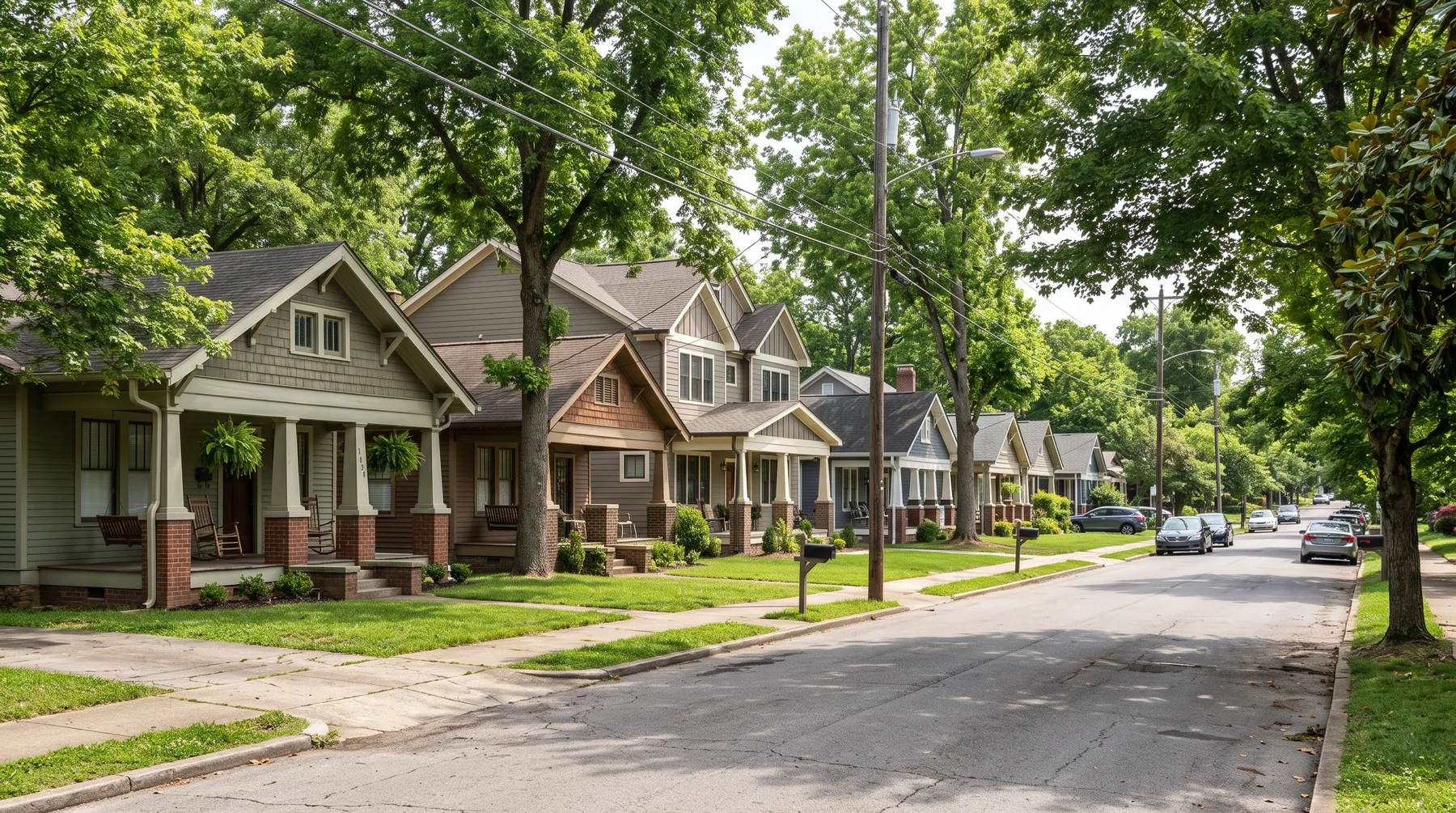
Sylvan Park is a West Nashville neighborhood that the Nashville Land Improvement Co.
The Nations
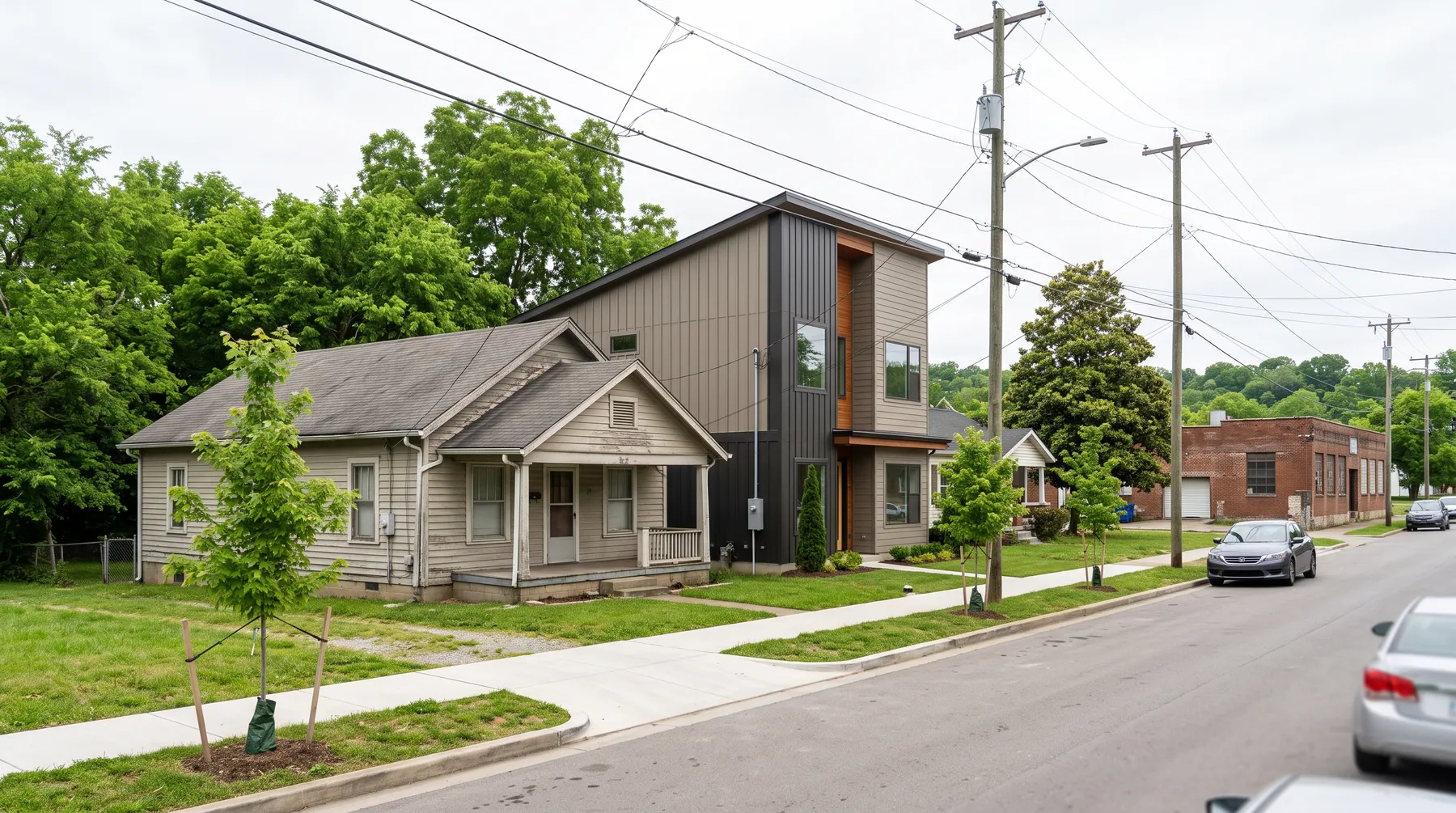
The Nations is a former industrial and working-class neighborhood west of downtown Nashville, centered on 51st Avenue North and Centennial Boulevard in ZIP 37209.
Wedgewood-Houston
Wedgewood-Houston, called WeHo, is a former mill district a few blocks south of downtown.
Chestnut Hill
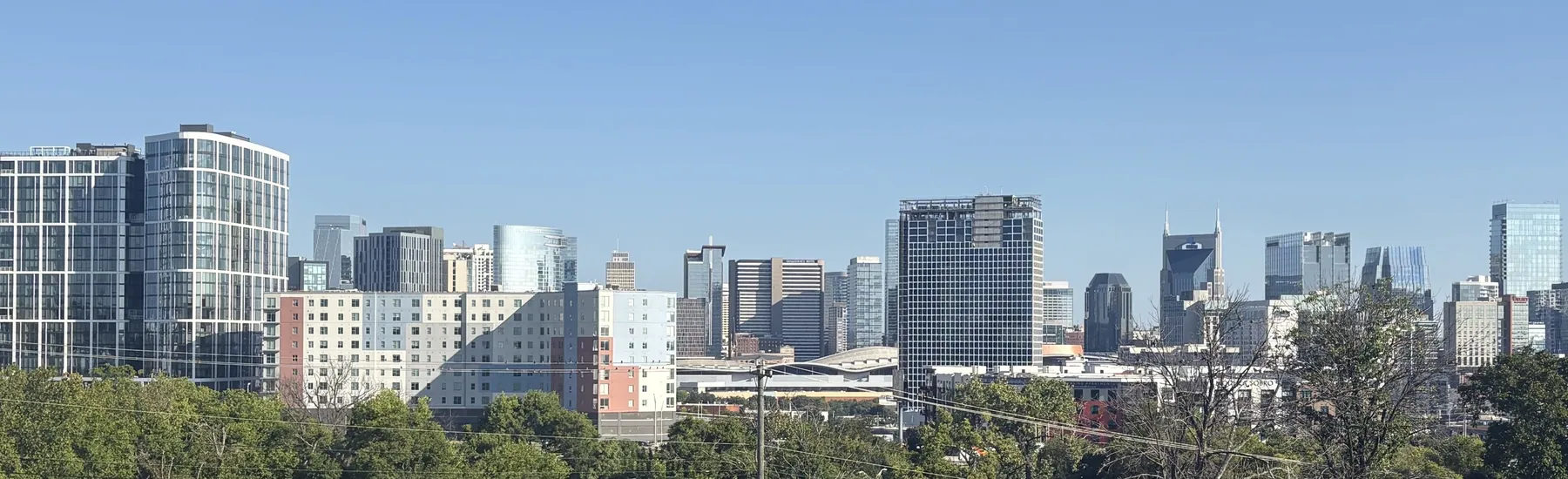
Chestnut Hill is the older residential and light-industrial neighborhood just south of downtown Nashville, around City Cemetery and Fort Negley.
Berry Hill
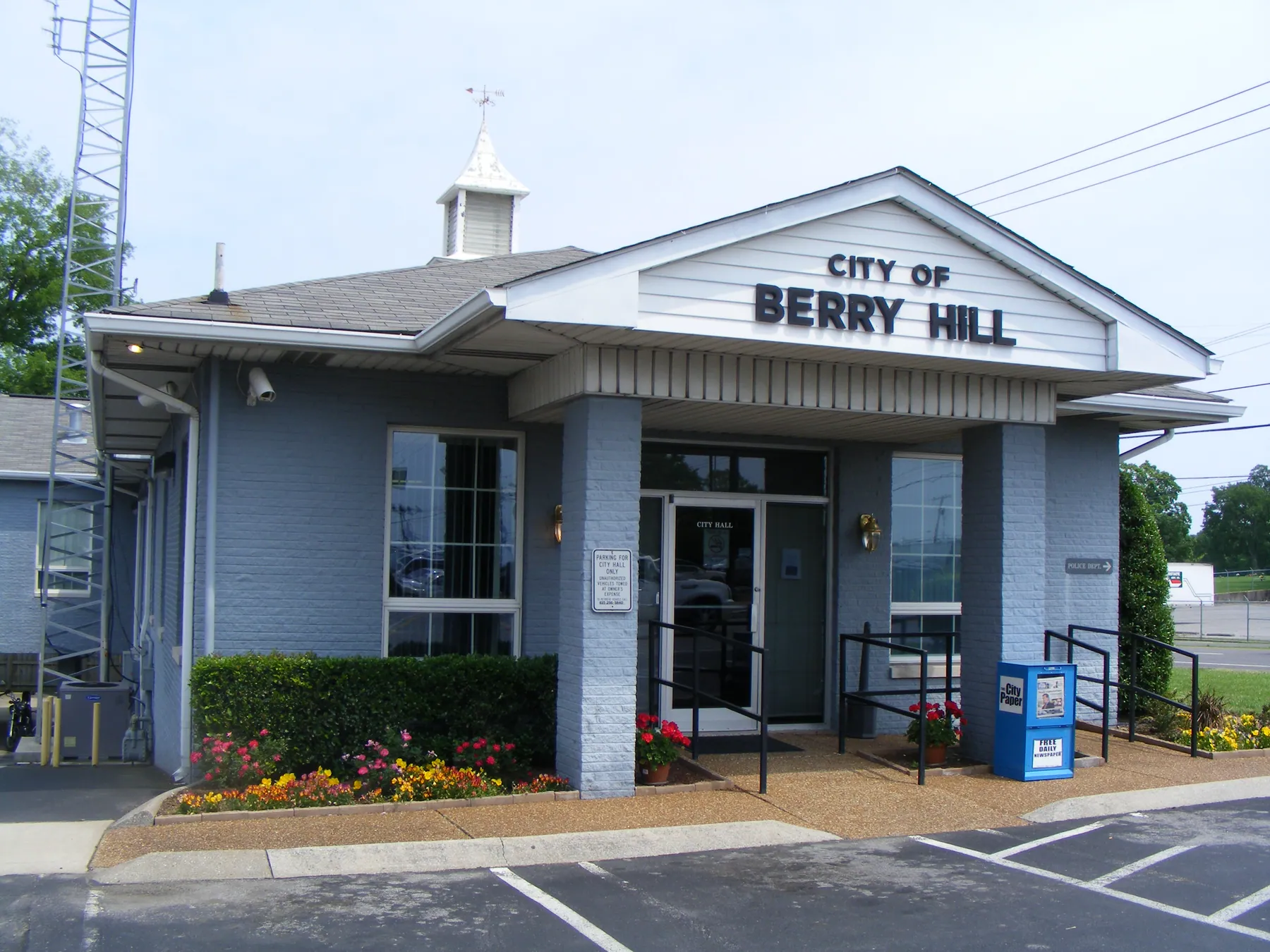
Berry Hill sits inside Nashville's street grid, but it is its own incorporated city with its own city hall, its own zoning code and its own short-term rental ordinance.
Melrose
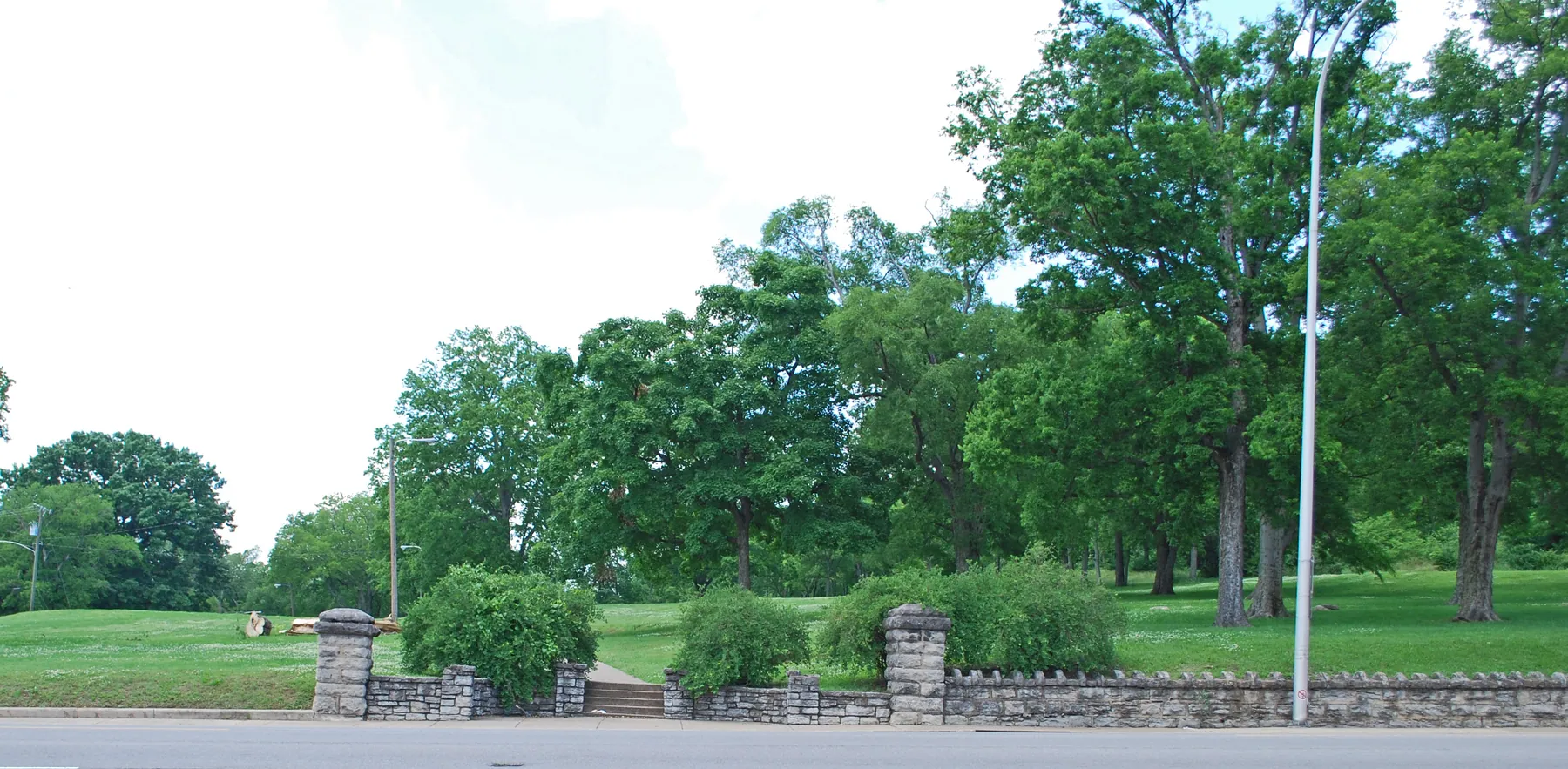
Melrose is the stretch of Eighth Avenue South around Melrose Avenue, just south of downtown and the Gulch.
Germantown
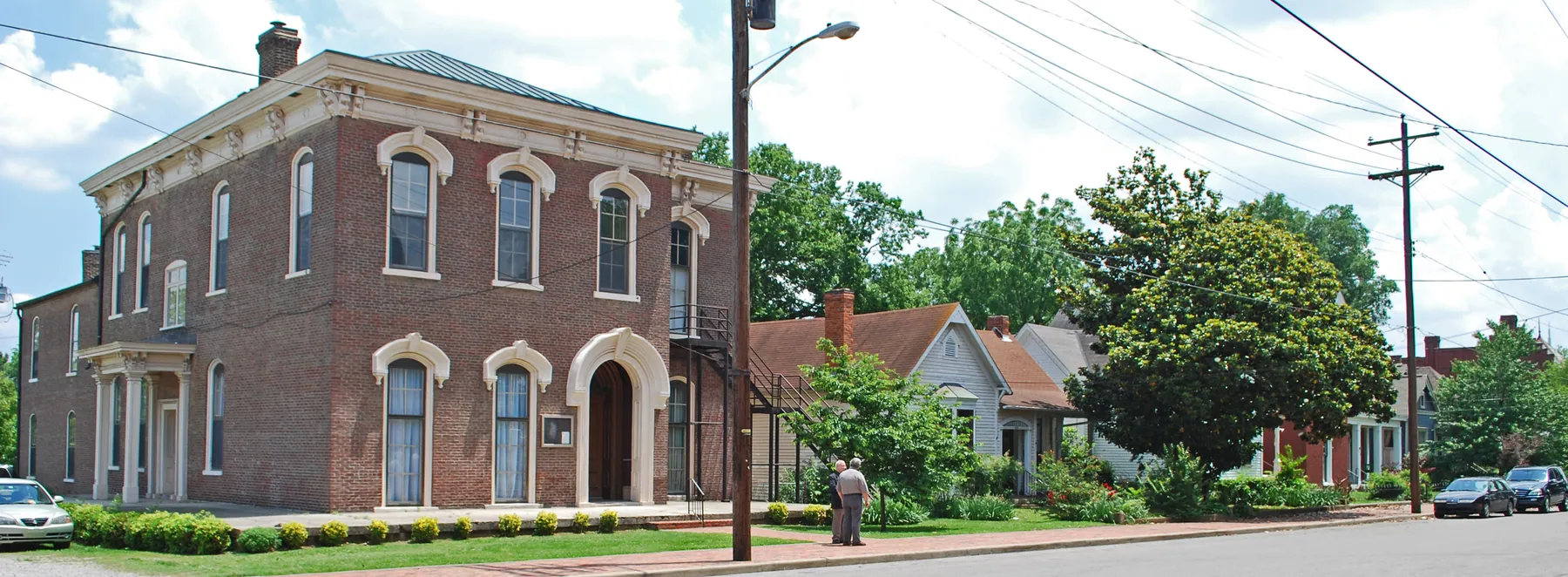
Germantown is the 19th-century neighborhood just north of the Tennessee State Capitol, with a minor league ballpark, a state park and the state museum in or beside it.
Salemtown
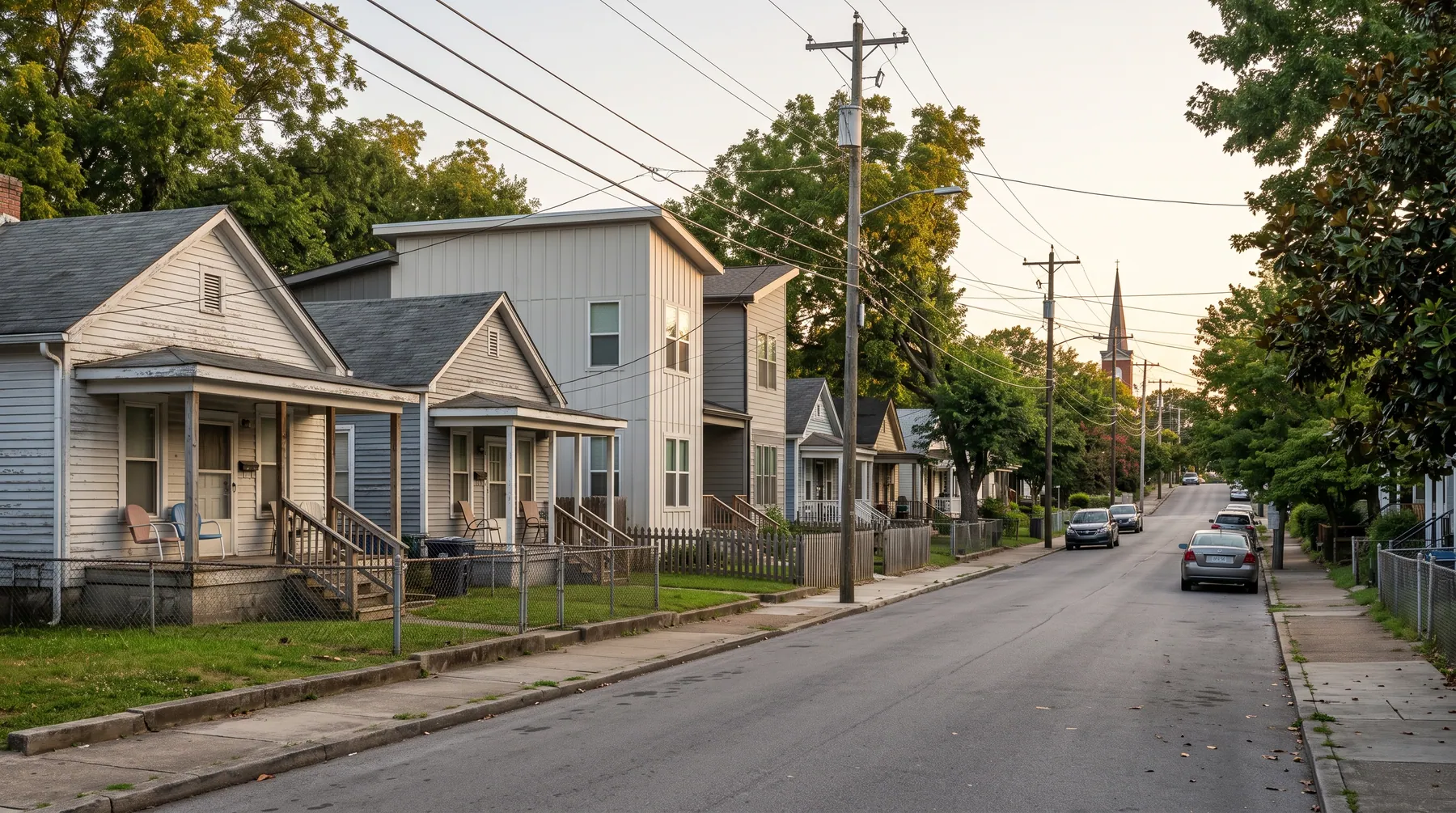
Salemtown is a small neighborhood just north of Germantown and downtown, built around the cotton and bag mills and now a mix of restored houses, townhomes and apartment buildings.
North Nashville
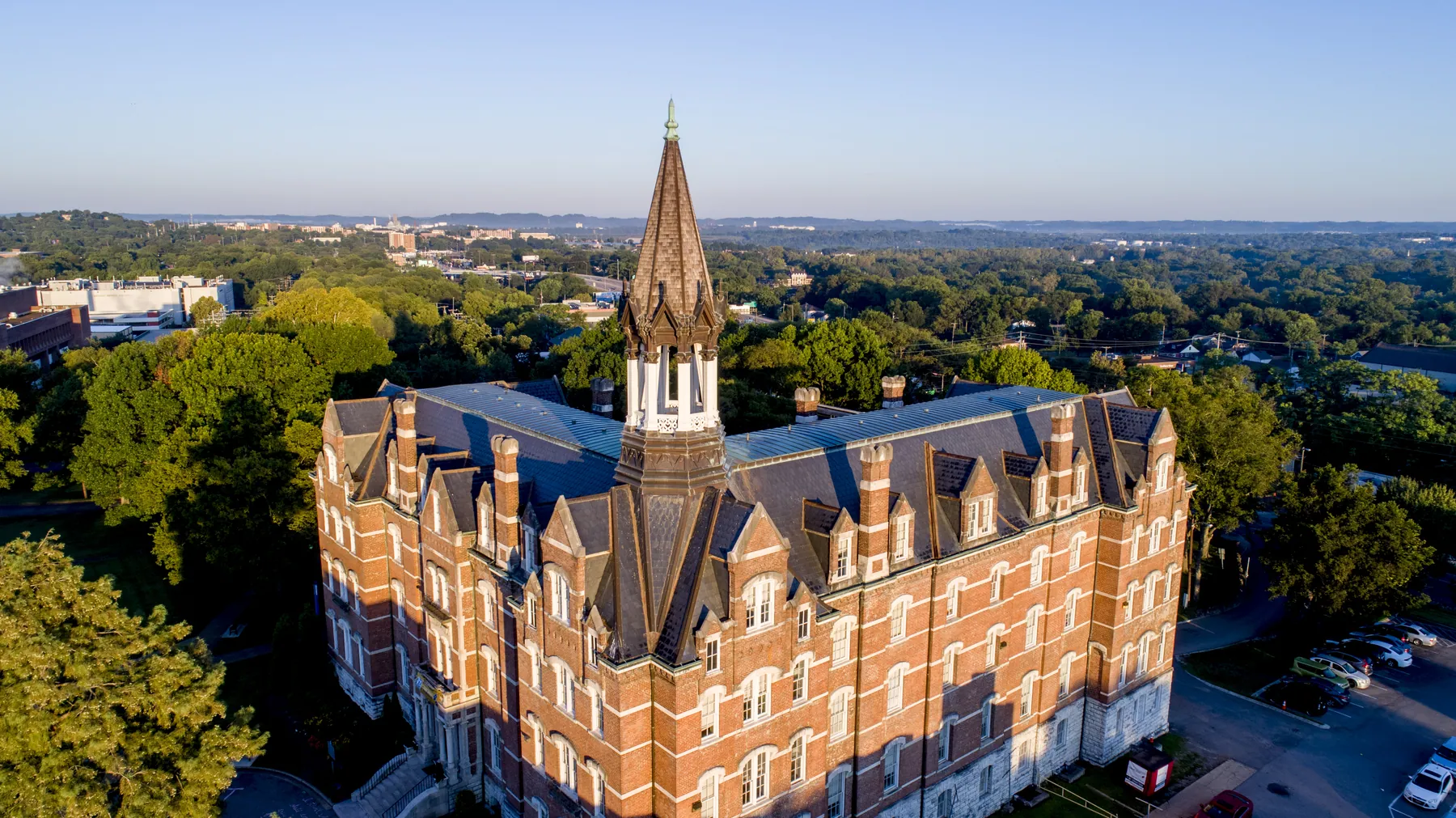
North Nashville is the part of Nashville north and west of downtown that holds Fisk University, Meharry Medical College and Tennessee State University, along with Jefferson Street, long the center of Black Nashville.
Marathon Village
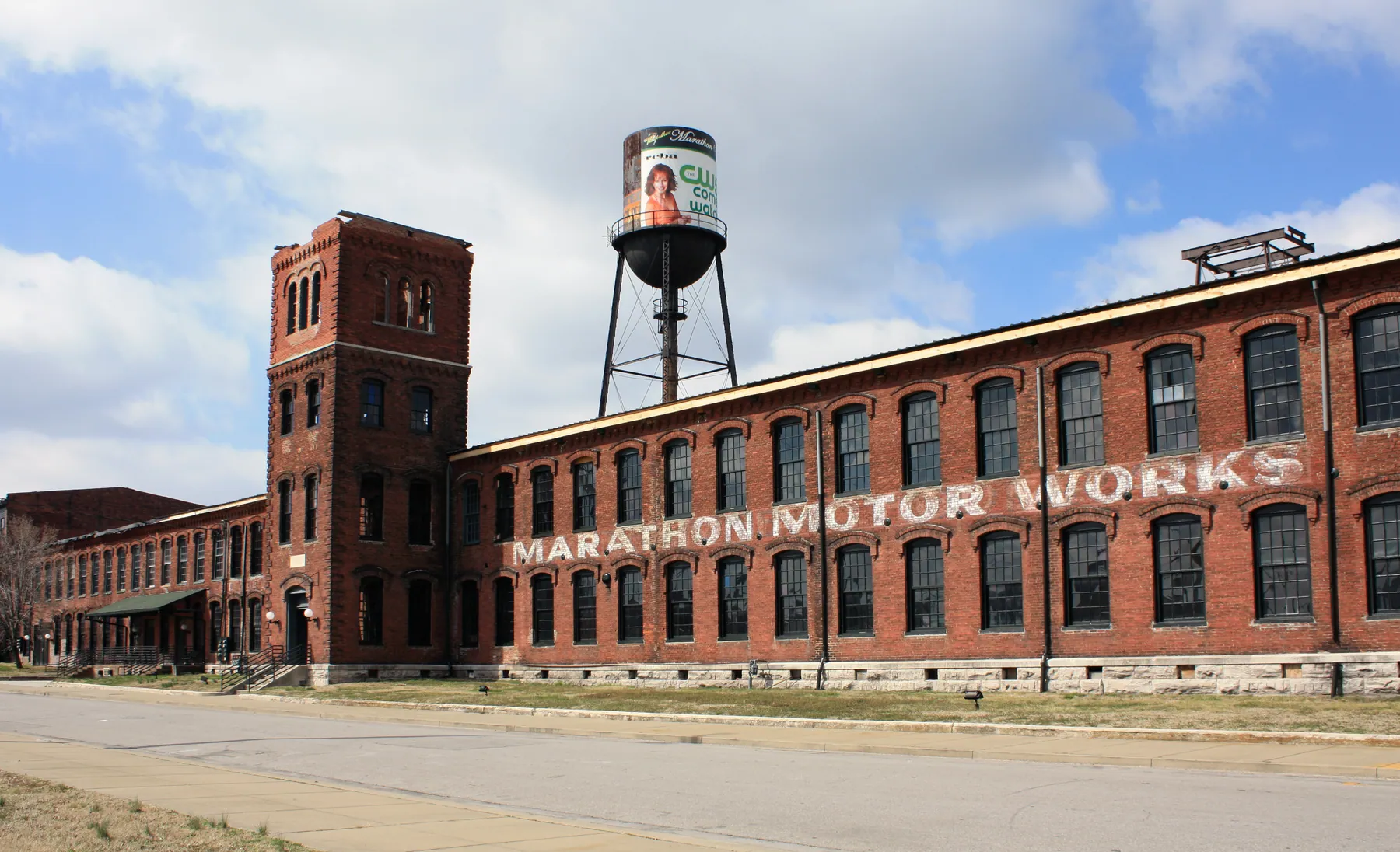
Marathon Village is a group of 1881-to-1912 factory buildings on Clinton Street, near downtown Nashville, now used for offices, shops, a museum and a concert venue.
East Nashville
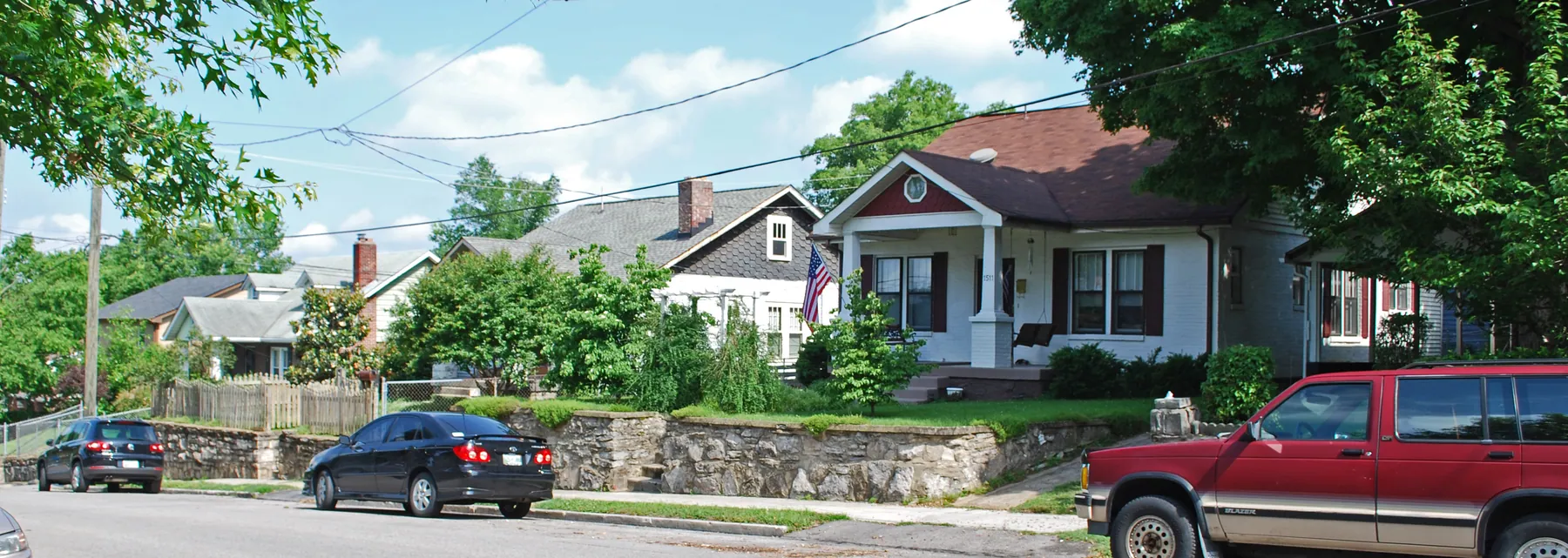
East Nashville covers the big stretch on the far bank of the river from downtown, and the rules can flip between neighboring streets.
Five Points
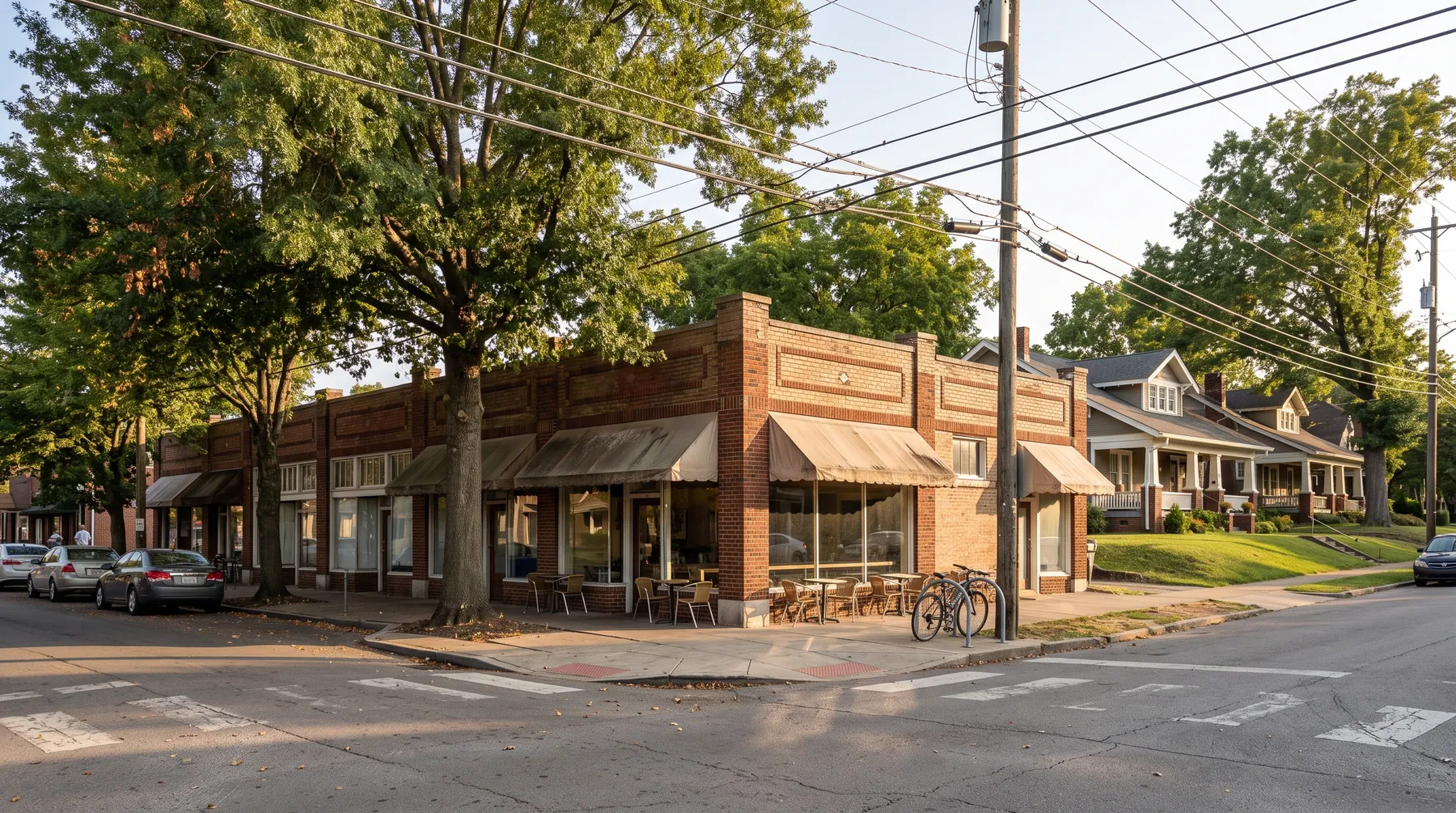
Five Points is the commercial crossroads of East Nashville, where Woodland Street, North 11th Street and Clearview Avenue meet.
Lockeland Springs
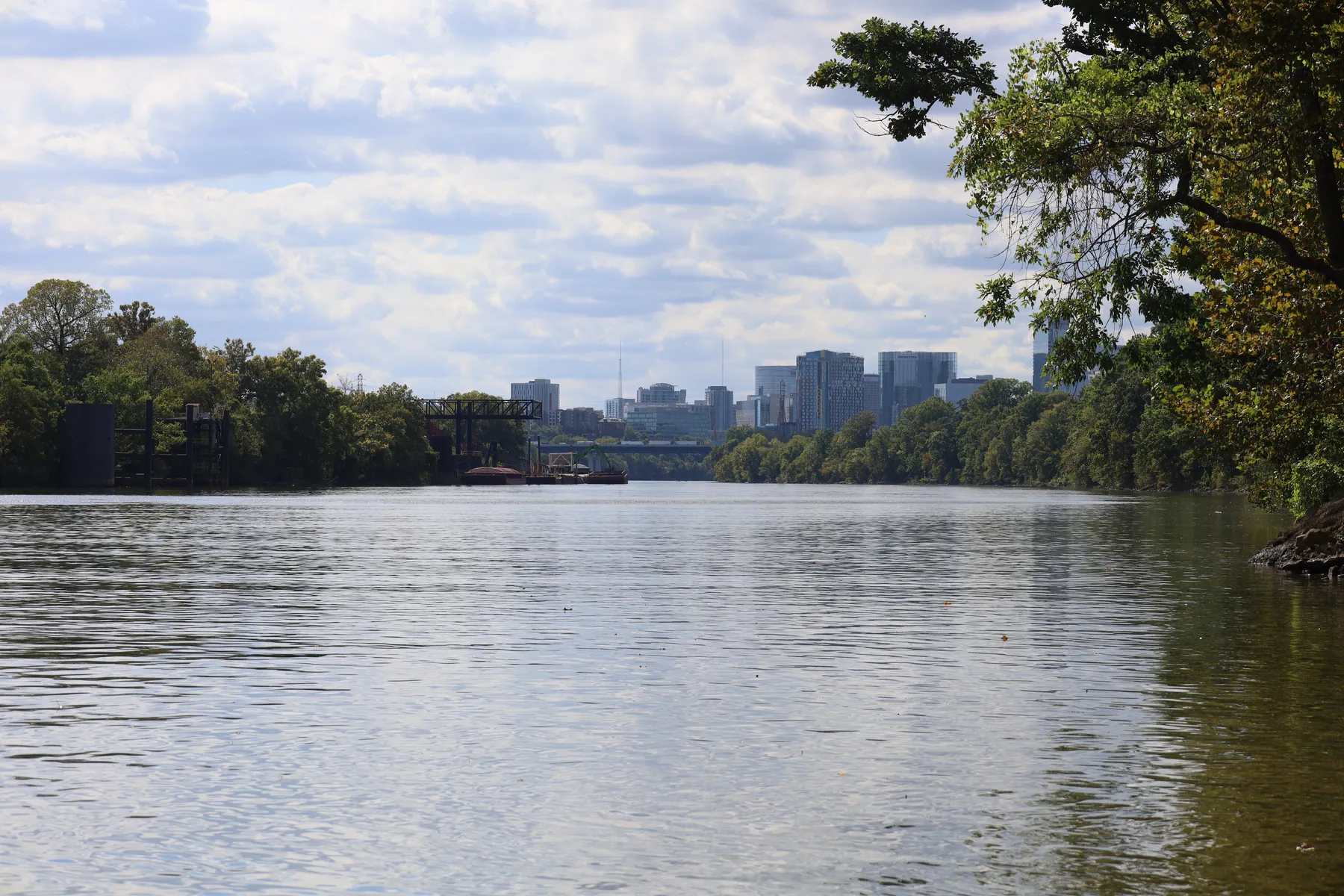
Lockeland Springs is a streetcar-era neighborhood about two miles northeast of downtown Nashville, next to Five Points and Shelby Park.
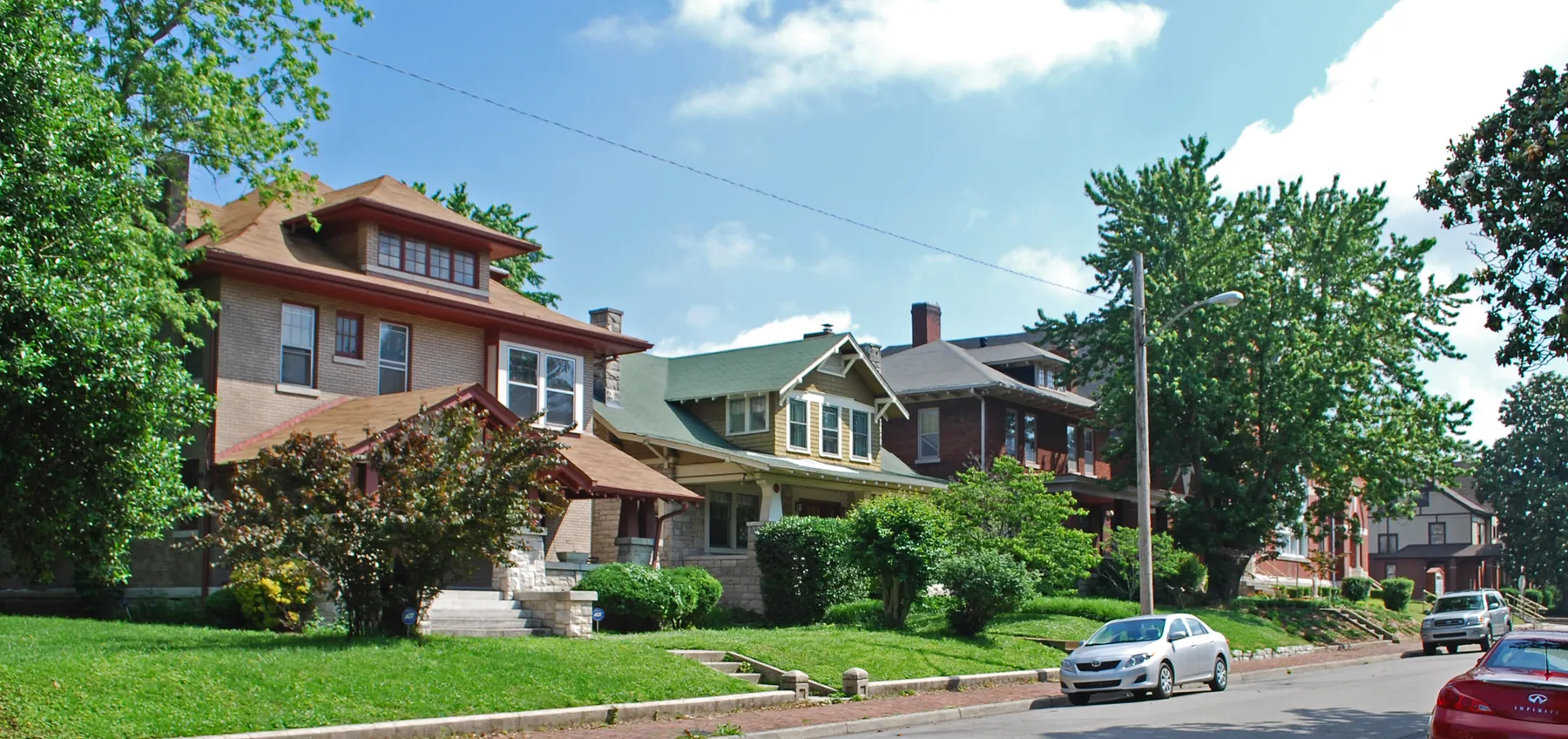
Edgefield
Edgefield is East Nashville's old riverside neighborhood, in ZIP 37206, facing downtown over the Cumberland.
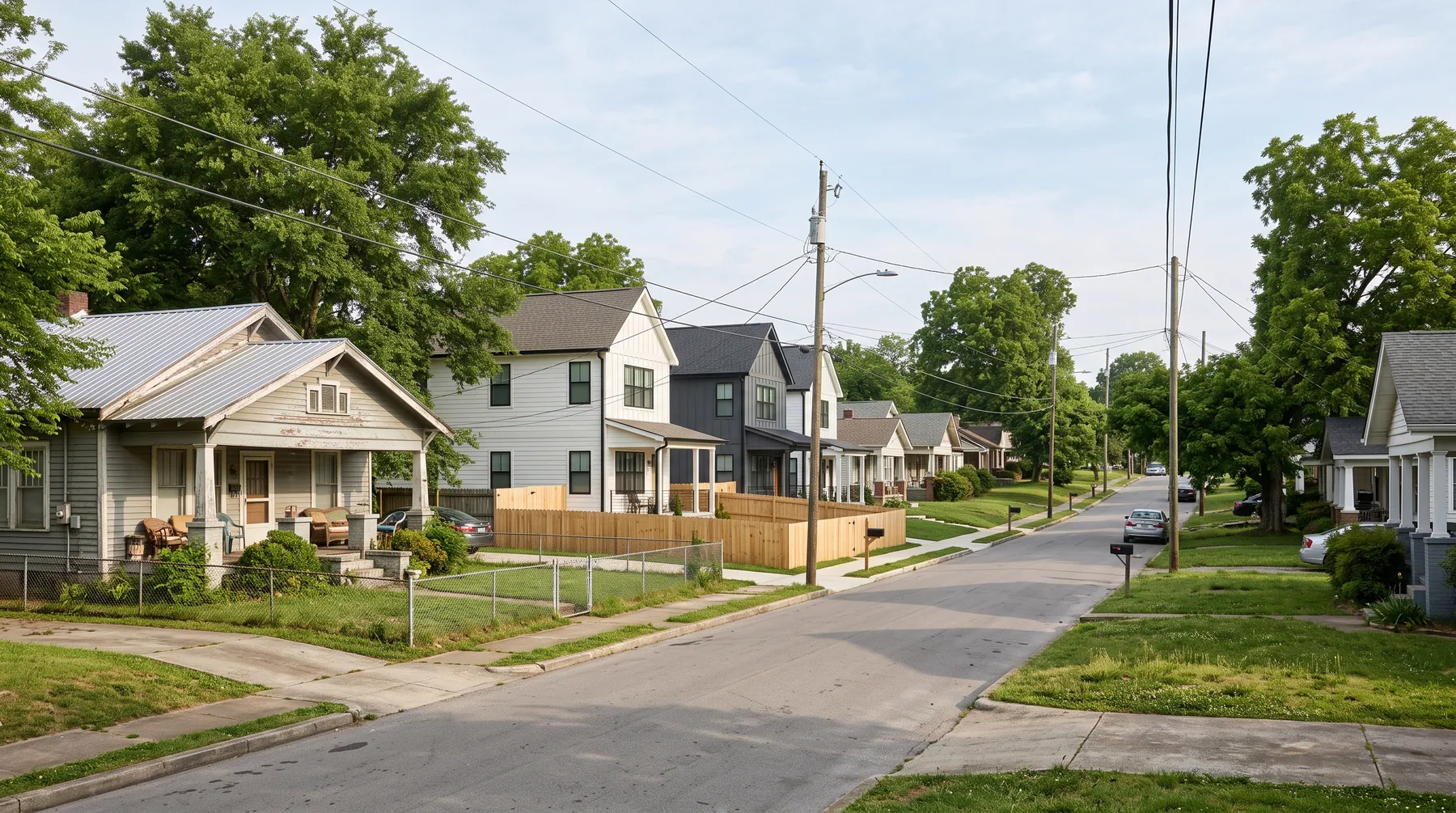
Cleveland Park
Cleveland Park is an East Nashville neighborhood around the Metro park of the same name, mostly in ZIP 37207, with McFerrin Park along McFerrin Avenue in ZIP 37206.
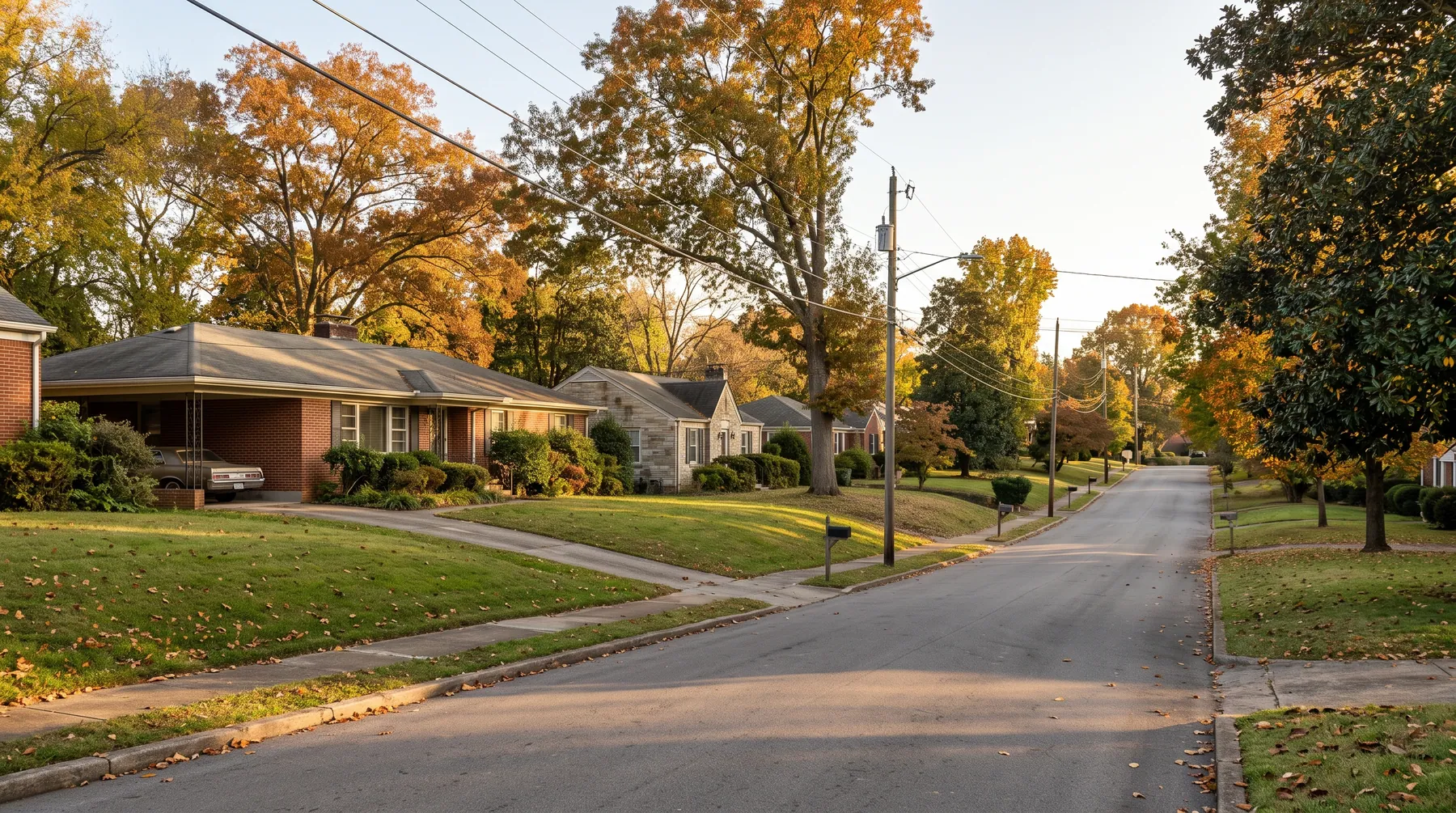
Inglewood
Inglewood is the northern part of greater East Nashville, running along Gallatin Pike in ZIP 37216.