


How an Off-Market Sale Works
An off-market sale is one where the property never goes on the multiple listing service or gets advertised to the public. Owners of rental buildings choose it for privacy, to avoid showings around booked guests and tenants, or because a buyer approached them first. The cost is competition: fewer buyers see the property, so the seller has to do more of the price checking alone. This page explains the rules that shape a private sale in Nashville and the steps that protect the seller. It is general information; have your own attorney review any contract.
- Realtor rule on public marketing
- MLS filing within one business day (NAR Clear Cooperation Policy)
- Seller options added March 25, 2025
- Delayed marketing exempt listings; signed seller disclosure, also for office exclusives
- Tennessee disclosure law covers
- Residential property with one to four dwelling units
- Realty transfer tax
- 37 cents per $100, paid by the grantee
- STR permits at closing
- End with the change in ownership
- Airbnb host cancellation fee
- 10% to 50% of the reservation amount, $50 minimum
On this page
- Three ways a property sells off-market
- What changed for Realtor listings in 2025
- Why rental owners choose it
- The price risk and how to manage it
- Tennessee disclosure and transfer tax
- Booked guests and the permits
- What the buyer will check
- How a direct sale usually runs
- When the buyer is an operator
- Questions
- Sources
Three ways a property sells off-market
The first is a direct sale. You and a buyer agree on terms without any broker listing the property, so there is nothing to file with the MLS. Some sales to investors and operators start this way, with an unsolicited letter or call.
The second is a listing that a broker markets privately, inside one brokerage, before or instead of the MLS. The third is a listing on the MLS whose public marketing is held back for a set period. The second and third are governed by rules the National Association of Realtors sets for its members and the MLSs they use.
What changed for Realtor listings in 2025
NAR's Clear Cooperation Policy still requires a listing broker to submit a property to the MLS within one business day of marketing it to the public. On March 25, 2025, NAR added a policy called Multiple Listing Options for Sellers. It created a delayed marketing exempt listing, which lets a seller tell the listing agent to hold back marketing through IDX websites and syndication for a period the local MLS sets, while the listing stays visible to other MLS participants.
The policy also kept office exclusive listings, marketed only within one brokerage. For both types, NAR requires the listing agent to get a signed disclosure from the seller documenting informed consent to give up the benefits of immediate public marketing. MLSs had until September 30, 2025 to put the policy in place, so ask your agent exactly how the local MLS set the delay and what the agent may share with other brokers.
Why rental owners choose it
Showing a rental building is hard. A unit booked for the weekend cannot be toured, every visit has to fit between checkout and the next arrival, and photographs taken for guests are not the ones a buyer needs. Long-term tenants have to be scheduled around, and a ground-floor business may not want strangers in the back hall.
Privacy matters too. A public listing tells guests, tenants, staff and competitors that the building is for sale, and some owners would rather test a price quietly first. If a private sale does not happen, you can still list publicly afterward.
The price risk and how to manage it
With one buyer at the table, nobody bids the price up. Protect yourself before you negotiate. Pay for an appraisal by a state-licensed appraiser, or an opinion of value from a broker with no stake in the deal, and work out for yourself what the building is worth with nightly guests and again with yearly tenants.
Ask any buyer for proof of funds or a lender's letter, the size of the earnest money deposit, the length of the inspection period and whether the contract can be assigned. A buyer who signs a contract only to sell it to someone else is not the buyer you met; if you do not want that, the contract should bar assignment without your written consent.
Tennessee disclosure and transfer tax
Tennessee's Residential Property Condition Disclosure Act, Tenn. Code Ann. 66-5-201 and following, applies to transfers of residential property with one to four dwelling units, whether or not a broker is involved. A larger apartment building falls outside it. Section 66-5-209 then carves out a dozen kinds of sale; one is a home the seller has not occupied during the three years before closing, a description that fits plenty of investor rentals. Ask your attorney whether your sale is excluded before you skip the form; being outside the Act does not excuse false statements.
Recording a deed in Tennessee triggers the state transfer tax, section 67-4-409, at 37 cents for every $100 of price or value, whichever is higher, and CTAS, the university's county advisory service, puts it on the buyer. On a $2,000,000 sale, that is $7,400. The contract should say who pays the title policy, the closing agent and each side's attorney.
Booked guests and the permits
Your permits die at closing under section 6.28.030, and the buyer must earn new ones from Metro under the code as written when it files. The buyer cannot host on your permits after closing, so every stay booked past that date needs a plan.
Airbnb keeps each reservation with the host who accepted it, so in practice the seller either hosts the stay before closing or cancels it. Its host cancellation policy charges the host a fee of at least $50: 10% of the reservation amount when canceling more than 30 days before check-in, 25% between 30 days and 48 hours, and 50% inside 48 hours. Airbnb may also block the dates on the calendar and remove Superhost status. Set the closing date with the booking calendar in view, and stop taking new reservations past it once the contract is signed.
Read the rest of that policy before you set a date. A canceled stay pays the host nothing, and money already paid out is taken back from later payouts. For bookings of 28 nights or more, the percentage is figured on the non-refundable part. Airbnb may waive the fee when a major disruptive event or another documented reason outside the host's control forces the cancellation, but a sale of the building is a choice the seller makes, so plan on paying it.
File final sales and occupancy tax returns for your last stays, and keep the records. Codes wants paid property tax receipts with any new application, and renewals add proof of guest taxes, so a clean tax history makes the buyer's filing easier.
What the buyer will check
Expect a due diligence period in which the buyer inspects the building, orders a title search and survey, confirms zoning, overlays and the distance rule with Metro, and tests your records. The companion due diligence checklist lists what most buyers pull. Have these ready before you sign so the clock does not run out on missing paperwork:
- One to two years of payout reports from each booking channel, tied to bank deposits
- Expense records with repairs separate from improvements
- Each unit's permit number and expiration, and any complaint history
- Leases, deposits and a rent roll for long-term or commercial tenants
- Insurance declarations and any claims in the last five years
- The most recent Fire Marshal report, if the lot has at least three homes
- Association or condominium documents, if any
How a direct sale usually runs
If you are selling to buy another investment property, talk to a qualified intermediary and your CPA before the contract is signed. The IRS instructions for Form 8824 give 45 days after you transfer the property you give up to identify the replacement and 180 days to receive it, and both clocks start at closing.
- Initial contact and a confidentiality agreement if you want one
- The buyer's review of public records and your documents
- A letter of intent stating price, deposit, timing and contingencies, usually not binding
- A purchase contract drafted or reviewed by your attorney
- The inspection and due diligence period, with the buyer's right to walk away
- Closing with a title company or closing attorney, and recording of the deed with the county's register
When the buyer is an operator
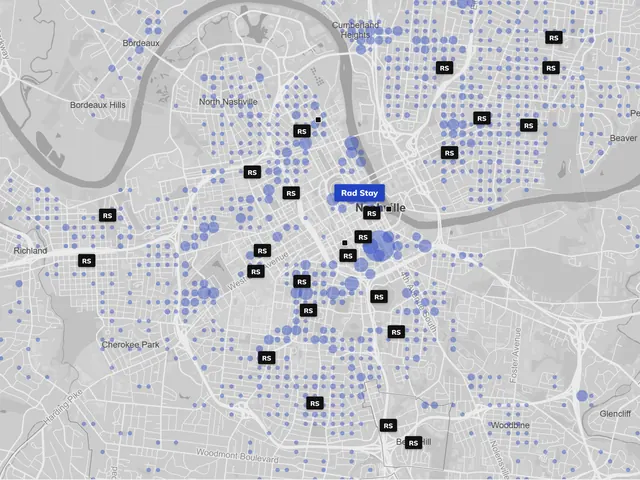
Rad Stay, which manages Nashville rentals by the night, month and year, also looks at certain buildings as a possible buyer, lessee or partner. Each look is separate and starts from the address and the records; nothing here is a bid. Get your own valuation and your own attorney whoever the buyer is.
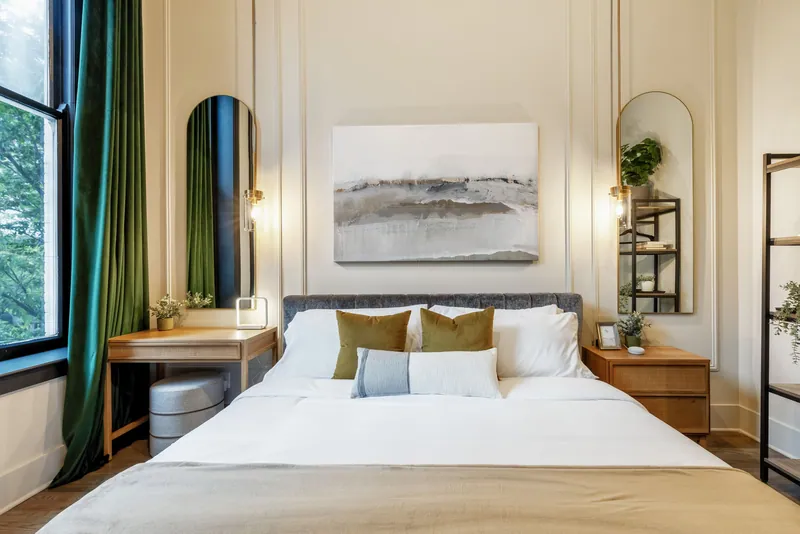
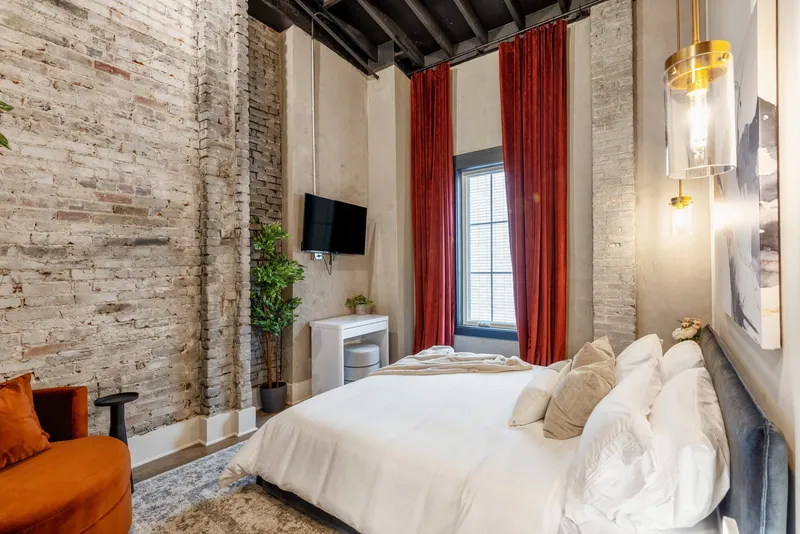
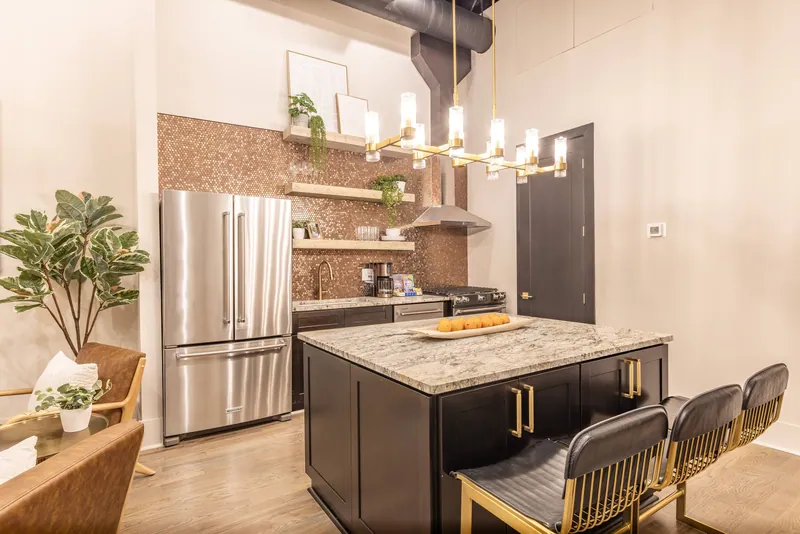
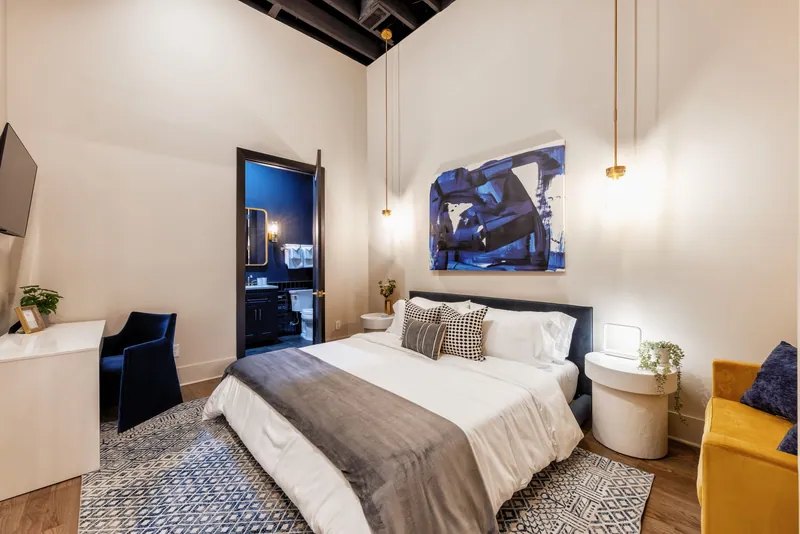
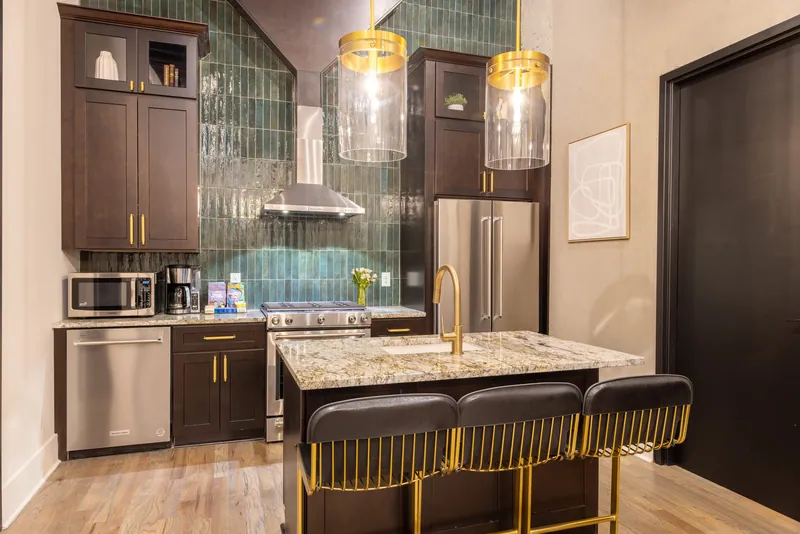
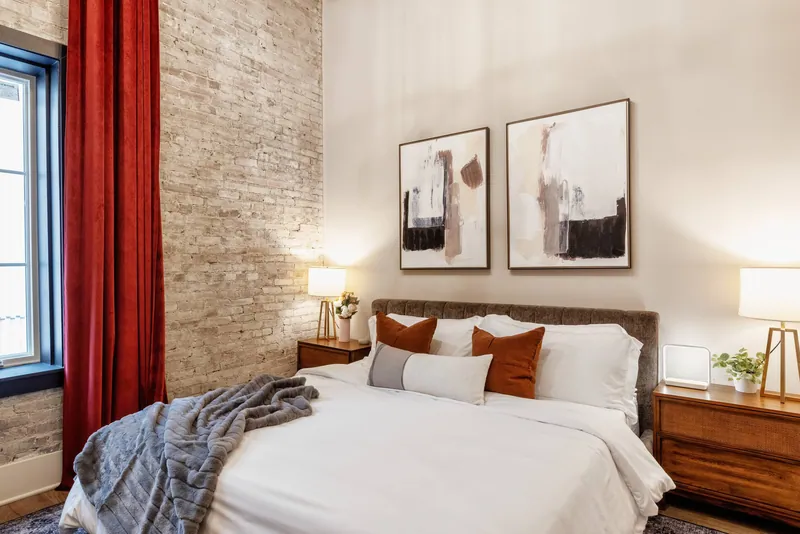
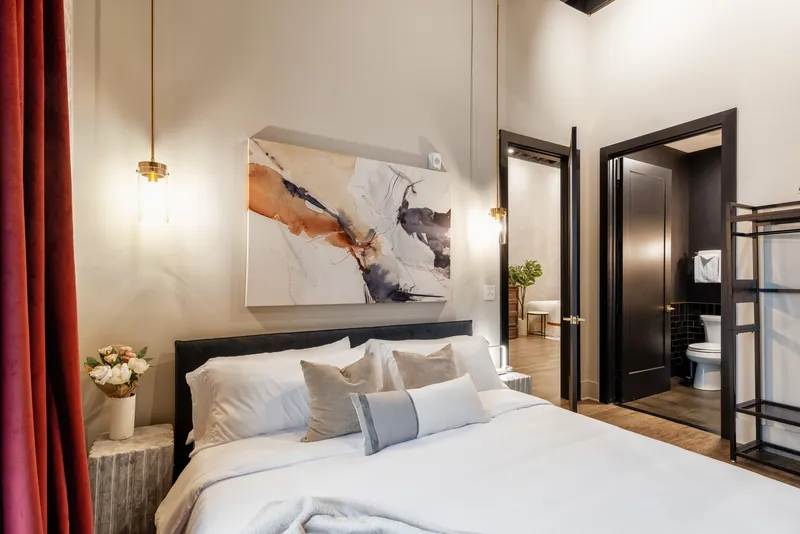
Union Street Lofts, four short-term rental lofts at 329 Union Street in the Printers Alley block, run by Rad Stay since 2023.
- 4.98average rating across 214 Airbnb reviews of the four lofts
- Guest Favoritebadges on the lofts' Airbnb listings, with Superhost status
- 4 of 4lofts hold Metro non-owner-occupied permits, issued April 2023
- WKRN News 2segment on the lofts, published June 11, 2026
Airbnb figures from the four listings as read October 4, 2026. Permits from Metro Codes. Read the case study · See the portfolio
Questions
Can I still list on the MLS if a private sale falls through?
Yes. Nothing about talking to a private buyer stops you from listing later. If you used a broker's office exclusive, check the listing agreement for its end date.
Do I need a Realtor to sell off-market?
No. You can sell directly with an attorney handling the contract and a title company or attorney handling closing. If you do hire a Realtor, NAR's rules on public marketing and seller disclosures apply to how they market the property.
Will an off-market sale get me a lower price?
It can, because fewer buyers compete. Check it against an outside appraisal and against your own numbers for nightly and yearly use.
Do I have to give the Tennessee disclosure form?
The law reaches homes with up to four units, minus the exclusions in 66-5-209, one of which covers a seller who has not lived there for three years. Ask your attorney whether your sale is covered.
What happens to my guests' future bookings?
Bookings stay with your Airbnb account, and your Metro permits lapse when title passes. Plan the closing date around the calendar and expect host cancellation fees on any stay you cancel.
Sources
- National Association of Realtors, NAR introduces new MLS policy to expand choice for consumers (March 25, 2025)
- Tenn. Code Ann. 66-5-201, Residential Property Condition Disclosure Act scope (FindLaw)
- Tenn. Code Ann. 66-5-209, excluded transfers (FindLaw)
- UT County Technical Assistance Service, Transfer tax
- Metro Code chapter 6.28, section 6.28.030, Municode (current through June 23, 2026)
- Tenn. Code Ann. 67-4-409, realty transfer tax (FindLaw)
- IRS, Instructions for Form 8824, Like-Kind Exchanges (45-day and 180-day periods)
- Airbnb Help Center, Merging accounts or transferring ownership
- Airbnb Help Center, Host Cancellation Policy for homes
- Metro Codes, Apply for a Short Term Rental Property Permit (Wayback copy, Nov. 5, 2026)
- Metro Codes, Not-owner-occupied permit checklist (Wayback copy, Nov. 5, 2026)
Checked November 12, 2026.
To keep this page, print it or choose Save as PDF in your browser's print window. The printout keeps the sources and the date.
More acquisitions
All 15Partnering With Rad Stay on a Property
Some owners want to keep a stake in their Nashville building while an operator brings the day-to-day rental work, and sometimes capital for renovation.
Sell Your Property to Rad Stay
If you own a Nashville building and are deciding whether to sell, the first question is not the price.
Selling a Property With an Active STR Business
A rental that is taking guests is a building and a small business at once, and the two do not change hands the same way.